27 Jun 2026
Broadcast Scheduling Adjustments Reshape Rest Patterns and Valuations in Elite Football Leagues
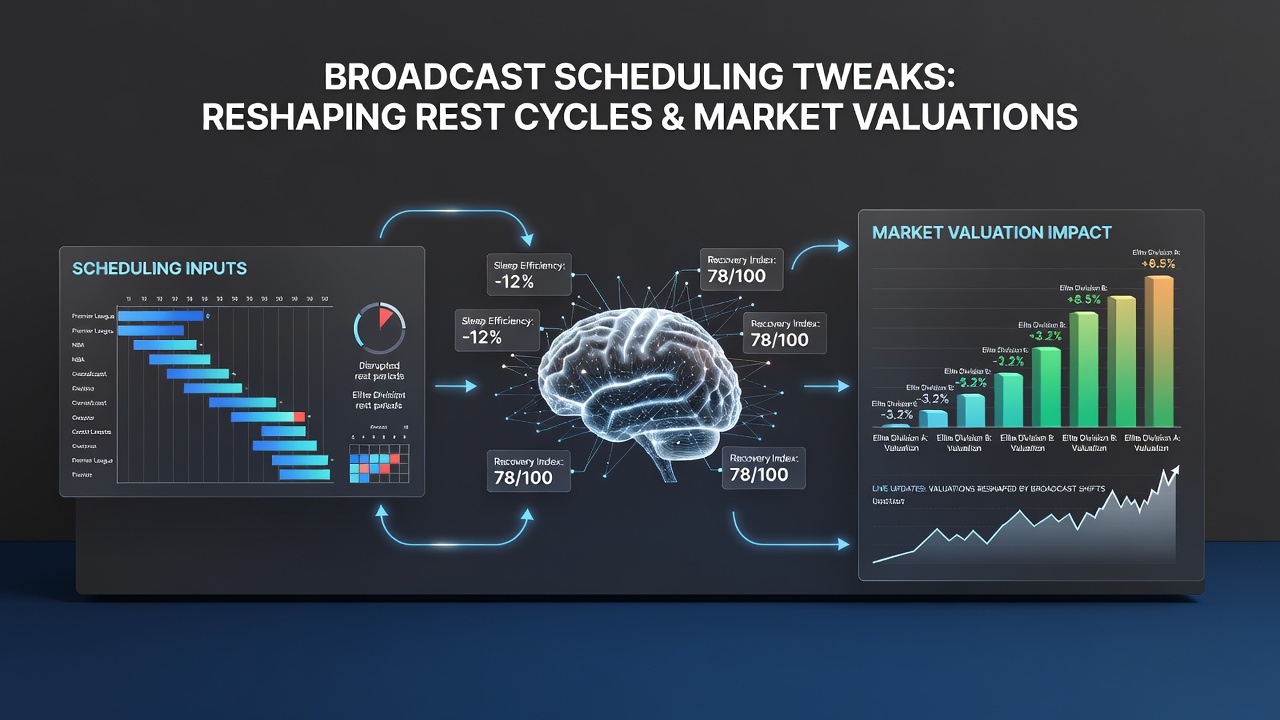
Broadcast networks have pushed several elite divisions to shift fixture timings in recent seasons, and these changes directly influence how clubs manage player recovery between games while altering performance metrics that feed into transfer market calculations. Data from major European competitions shows matches moved to Monday evenings or late Saturday slots reduce the standard 72-hour recovery window that teams once relied upon, and this compression correlates with measurable dips in sprint distances and pass accuracy according to tracking systems used across the Premier League and Bundesliga.
League organizers work with rights holders to accommodate global audiences, yet the resulting calendar tweaks create uneven rest distributions that clubs must navigate through rotation policies and medical monitoring. Researchers at institutions like the University of Sydney have documented how consecutive high-intensity periods without adequate recovery increase soft-tissue injury rates by up to 18 percent in tracked cohorts, and those figures appear in club valuation models that assess squad durability ahead of transfer windows.
Rest Cycle Disruptions Across Major Competitions
Elite divisions including the Premier League, La Liga, and Serie A have introduced more midweek slots and weekend double-headers to maximize viewership, and these patterns leave squads with shortened preparation cycles. Players in squads competing on multiple fronts often face fixtures separated by fewer than 48 hours, and performance analytics reveal declines in high-speed running output that persist into subsequent matches. Medical staff at top clubs now incorporate advanced sleep tracking and load management protocols to offset these effects, while governing bodies review cumulative fatigue data to inform future calendar planning.
June 2026 marks the rollout of refreshed domestic broadcasting agreements in several markets, and early schedules indicate further experimentation with Thursday night European qualifiers alongside domestic rounds. Such overlaps force clubs to prioritize recovery resources for key personnel, and statistical models used by scouting departments adjust projected availability rates accordingly. Observers note that teams with deeper benches maintain steadier output under these conditions, whereas thinner squads see sharper fluctuations in individual player assessments.
Performance Metrics and Transfer Market Responses
Market valuations respond to visible changes in player output following schedule alterations, with agencies and clubs recalibrating estimates based on minutes played under fatigue. Central midfielders and full backs register the most pronounced drops in expected goal contributions when recovery intervals shrink, and these trends influence asking prices during summer negotiations. Figures released by European football federations demonstrate that clubs scheduling regular rest periods achieve higher average player value retention over three-year cycles compared with those relying on heavy rotation.
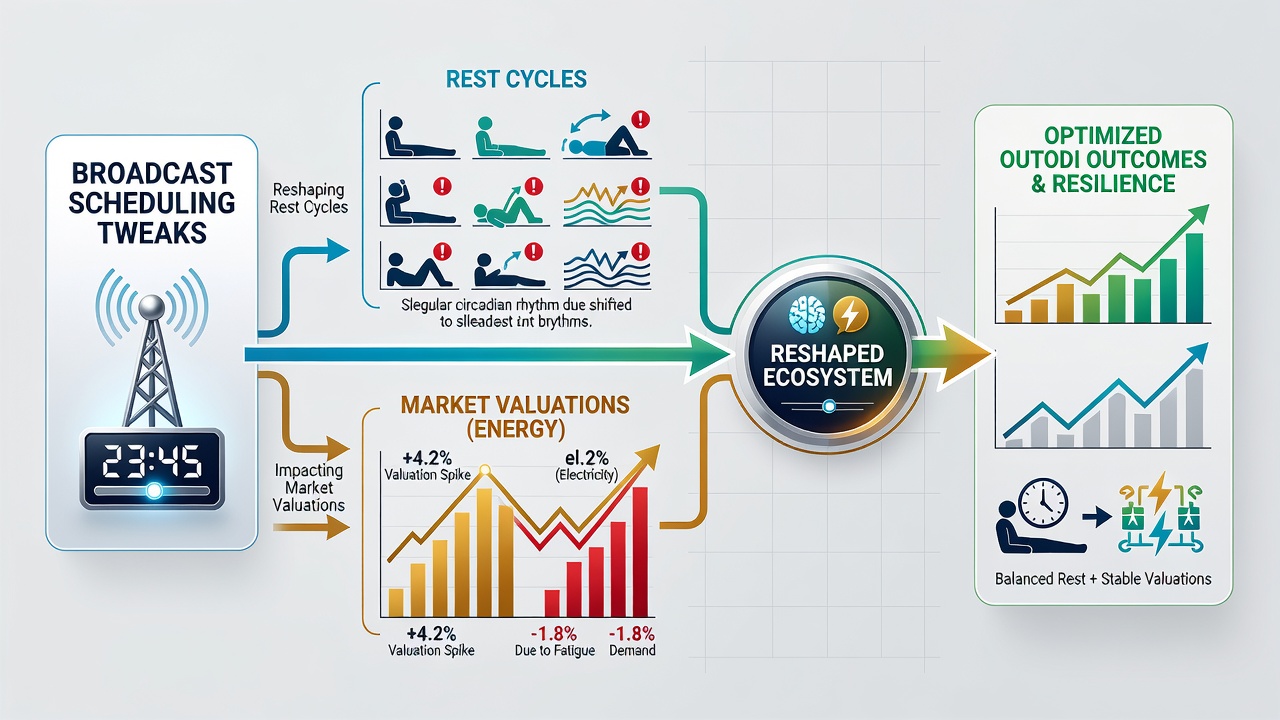
One case involved a Serie A side that adjusted its defensive line after a run of compressed fixtures, and subsequent tracking data showed improved duel success rates that stabilized the squad's collective valuation ahead of the winter window. International bodies such as UEFA compile annual load reports that clubs reference when forecasting squad costs, and these documents highlight how broadcast-driven timing shifts affect both domestic and continental commitments. Australian sports research groups have contributed comparative studies on travel and recovery across hemispheres, noting parallel patterns in fatigue accumulation when schedules prioritize television windows.
Strategic Adaptations by Clubs and Leagues
Coaches implement targeted recovery blocks and substitute patterns to protect key assets, and these tactics appear in post-match reports that inform betting market movements around team consistency. Leagues have begun publishing provisional calendars earlier to allow better planning, yet last-minute broadcast adjustments still occur when audience data demands changes. Clubs with advanced analytics departments gain an edge by modeling rest requirements against fixture density, and this capability supports steadier performance trajectories that protect long-term asset values.
Regulatory frameworks in the European Union require transparency around scheduling impacts on player welfare, and compliance reports feed into broader discussions about calendar reform. Those who've studied workload distribution across multiple seasons recognize that broadcast priorities will continue to shape rest allocation, and clubs that adapt rotation strategies earliest tend to preserve squad market worth more effectively.
Conclusion
Broadcast scheduling continues to evolve in response to commercial demands, and its effects on rest cycles and subsequent performance feed directly into how clubs and agencies calculate player and squad valuations. Data from multiple competitions illustrates the connections between fixture timing, recovery quality, and market outcomes, while ongoing calendar adjustments in 2026 will test the effectiveness of current mitigation approaches. Clubs that integrate these variables into planning maintain competitive positioning across elite divisions.