24 Aug 2026
Football Betting Odds: Market Behaviors Following the 2026 World Cup
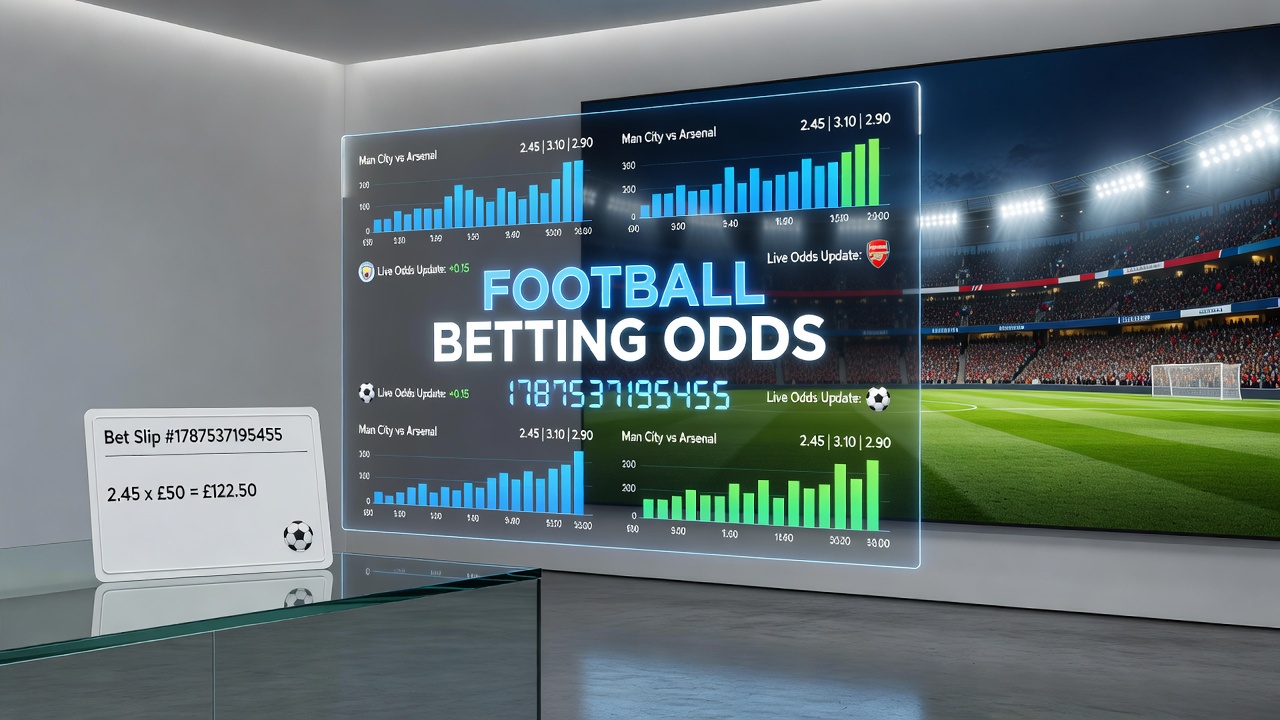
Football betting odds adjust rapidly once major tournaments conclude and attention turns toward club competitions that resume in August 2026, with bookmakers recalibrating lines based on fresh squad data and performance metrics collected during the summer break. Observers note that these recalibrations often begin within days of the final whistle in July, incorporating player fitness reports and coaching staff changes that affect outright markets for domestic leagues across Europe and beyond.
How Bookmakers Set Initial Lines
Operators compile opening odds through statistical models that weigh historical results, current form, and head-to-head records, while they also factor in betting patterns observed during the World Cup itself. Data from industry reports indicate that these models draw on millions of data points gathered from previous seasons, allowing lines to open with narrow margins that reflect perceived probabilities rather than bookmaker preference. Researchers at institutions such as the University of Nevada, Las Vegas have documented how these models incorporate variables like travel schedules and fixture congestion that intensify once August fixtures commence.
Key Influences on Odds Movement
Betting volume drives the largest shifts once markets open, yet external factors such as injury announcements and weather forecasts also prompt rapid revisions. When significant money arrives on one side, bookmakers respond by shortening odds on that outcome and lengthening them on alternatives to balance liability. Figures from the Australian Gambling Research Centre reveal that similar patterns appeared consistently after the 2022 tournament, suggesting the same dynamics will appear in 2026 once club seasons restart.
Live markets add another layer because odds fluctuate during matches based on real-time events like substitutions or tactical adjustments. Traders monitor multiple data feeds simultaneously, updating lines within seconds to reflect changing probabilities. This process becomes especially pronounced in August when early-season matches carry extra weight for title contenders still integrating new signings.
Regional Variations in Market Structure
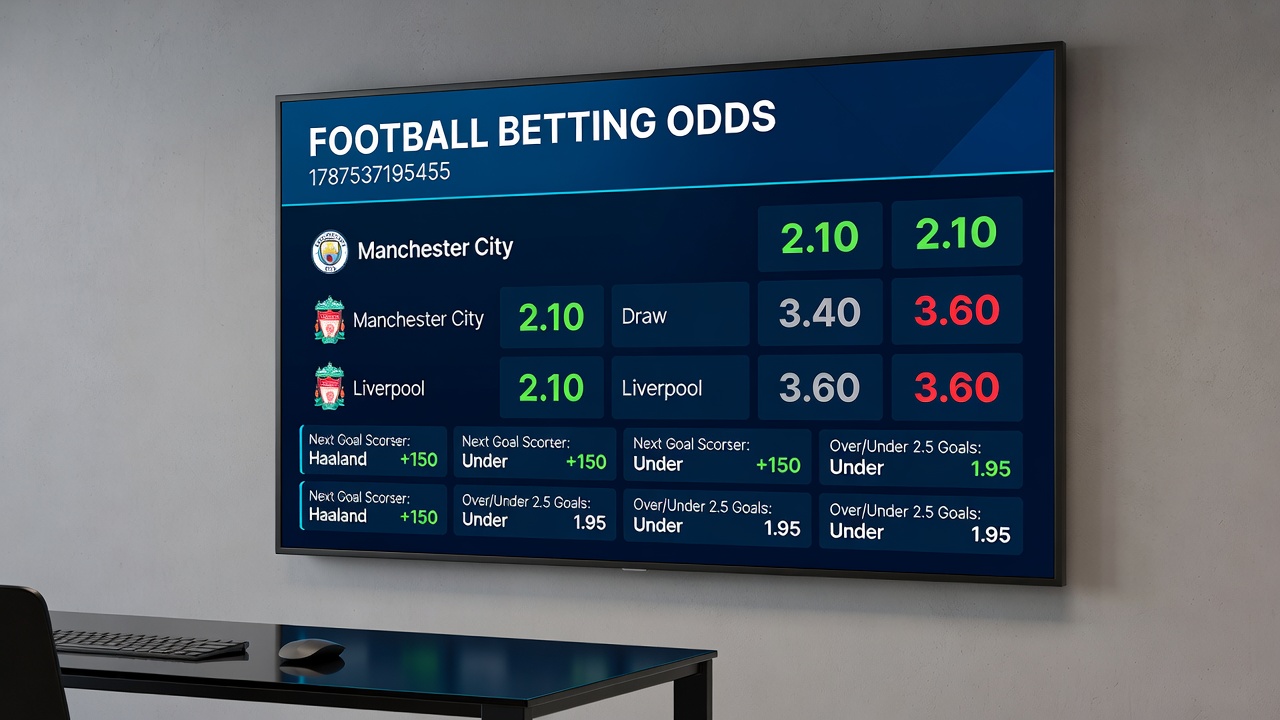
European markets tend to offer deeper liquidity on major leagues, whereas operators in North America focus more on niche props and player performance markets that gained popularity after the 2026 World Cup. Canadian regulatory data shows increased interest in combined player goal-and-assist bets during the post-tournament period, a trend expected to carry into the 2026/27 club campaign. These differences arise because local preferences and regulatory frameworks shape which markets receive the most attention from both bookmakers and bettors.
Accumulator bets remain popular across regions, though the structure of these bets changes once the calendar shifts from international to club football. Multi-leg wagers that include both Premier League and Champions League matches often see adjusted pricing in August because schedule congestion raises the likelihood of rotated squads. Operators track these patterns closely to maintain balanced books while still offering competitive lines.
Data Analytics and Market Efficiency
Advanced analytics have become standard tools for both sides of the market, with expected goals models and possession metrics feeding directly into odds calculations. When these models diverge from public perception, value opportunities appear until sufficient betting corrects the line. Studies published by the European Gaming and Betting Association highlight how such corrections happen faster in high-profile leagues where information flows quickly through social channels and media coverage.
August 2026 presents a distinct window because post-World Cup fatigue affects certain squads more than others, and bookmakers must account for this uneven recovery in their lines. Historical patterns show that teams with deeper squads often outperform early expectations, leading to gradual shifts in handicap markets as the month progresses. Those who monitor training reports and medical updates gain early signals that later appear in price movements.
Conclusion
Football betting odds continue to evolve after the 2026 World Cup as markets transition to club competitions that begin in earnest during August. Statistical models, betting volume, and external factors such as injuries and schedules all contribute to line movements that reflect updated probabilities. Regional differences in market focus further illustrate how local conditions shape available options, while data analytics help maintain efficiency across the board. Observers tracking these developments see consistent patterns that repeat across tournament cycles, providing a framework for understanding how odds respond to the demands of a new season.