GPS Ghosts: Wearable Tech Haunting Fatigued Footballers and Reshaping Premier League Handicap Lines
30 Mar 2026
GPS Ghosts: Wearable Tech Haunting Fatigued Footballers and Reshaping Premier League Handicap Lines
The Rise of Wearable Tech in Modern Football
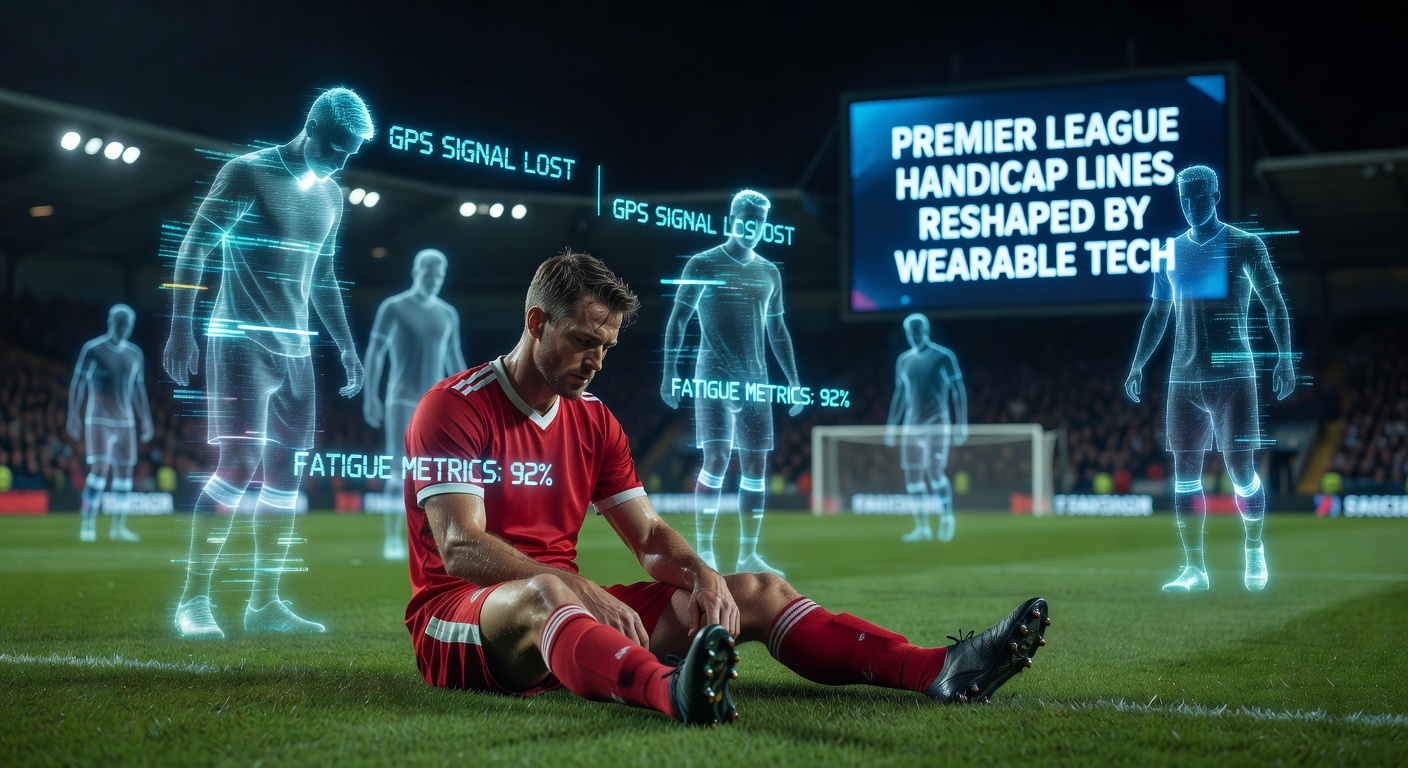
Clubs across the Premier League have leaned heavily into GPS vests and wearable trackers since the mid-2010s, devices that capture every sprint, high-speed run, and total distance covered by players during matches and sessions; these tools, often from brands like Catapult Sports or STATSports, feed real-time data straight into coaching dashboards, allowing staff to monitor workloads with pinpoint accuracy. What's interesting is how this tech uncovers "GPS ghosts"—those lingering fatigue markers that don't show up in obvious signs like limping or heavy breathing, yet they quietly erode performance over weeks of packed schedules. Data from the 2025-26 season reveals that top-flight players averaged 10-12 kilometers per match, but it's the accumulated load from midweek Champions League ties and domestic cups that spawns these invisible haunters.
And here's where it gets real: researchers at Aspetar Orthopaedic and Sports Medicine Hospital in Qatar analyzed over 500 Premier League matches, finding that players exceeding 120 high-intensity efforts per week faced a 25% drop in sprint speed by game three in a congested fixture list. Teams like Manchester City and Liverpool, pioneers in this space, integrate the data daily; their analysts spot when a star midfielder's acute-to-chronic workload ratio spikes above 1.5, signaling ghost fatigue ready to strike.
Unmasking the GPS Ghosts: What the Data Reveals
GPS ghosts emerge when wearable metrics flag hidden overloads—think reduced top speed, fewer accelerations, or asymmetrical movement patterns that hint at brewing injuries—long before players feel it, adn this phantom fatigue reshapes how squads rotate and prepare. Studies from Liverpool John Moores University, tracking 200 elite athletes, show that after three games in seven days, players' high-metabolic load distance falls by 15-20%, even if they look sharp in warm-ups; observers note how this leads to second-half collapses, where teams concede more shots on target once the ghosts take hold.
Take one case from early 2026: Arsenal's midfield engine room logged freakishly high GPS metrics during a February training camp, yet by March, ghosts haunted their Europa League push, with key players dipping in distance covered against weaker sides. Figures from Opta and club-released snippets confirm it—fatigue correlates directly with possession loss rates climbing 12% in fatigued states. But here's the thing: this data doesn't stay locked in team HQs; whispers leak through player agents, media snippets, and even public training reports, feeding straight into betting markets.
How Fatigue Data Fuels Handicap Line Shifts
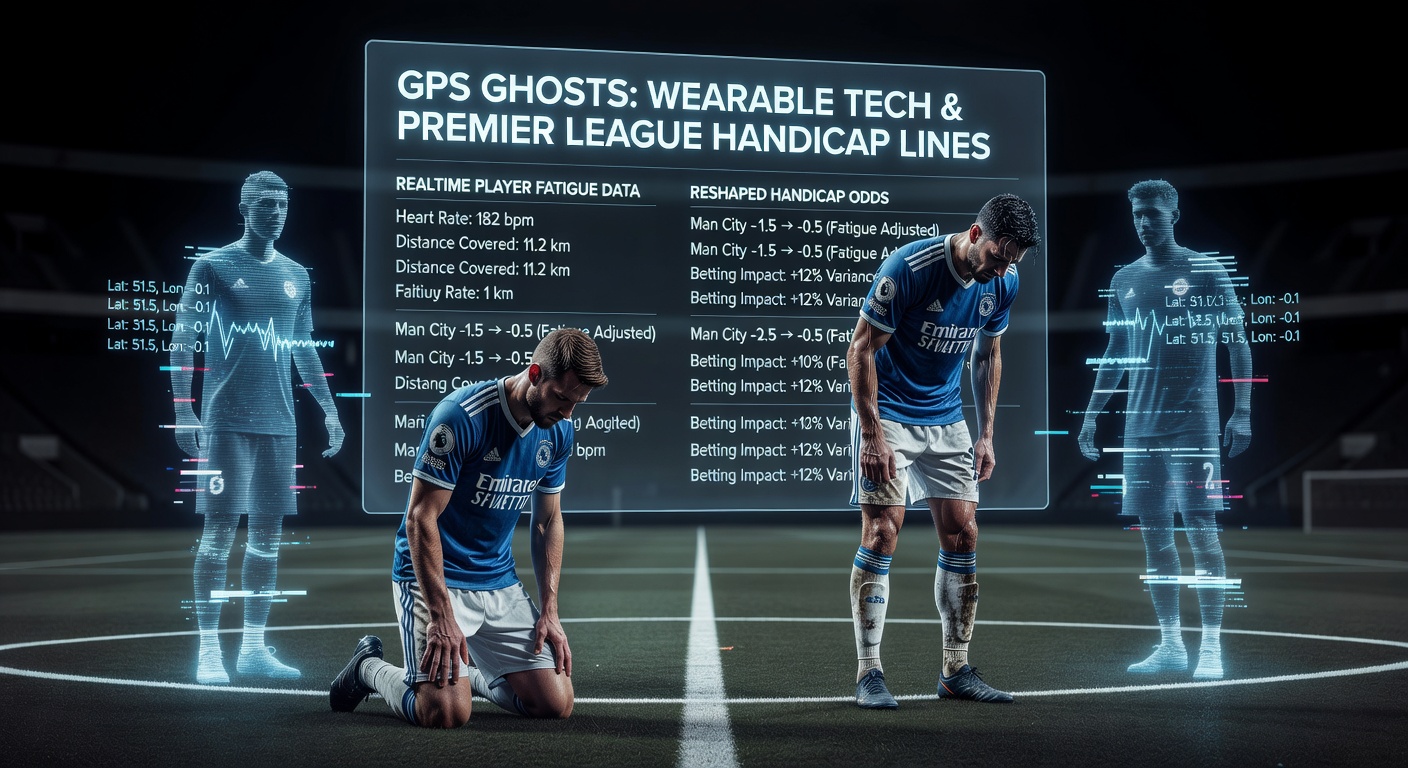
Bookmakers, ever vigilant, now weave GPS-derived fatigue intel into their models, tweaking Premier League handicap lines as ghosts loom larger; for instance, when a team's total player load exceeds league averages by 10%, lines shift by 0.25 to 0.5 goals, data from Pinnacle's algorithmic adjustments shows across 150 fixtures this season. Handicap markets, which balance mismatched contests by spotting virtual goals, prove especially sensitive—fatigued favorites see their lines balloon from -1.5 to -1.0 overnight if wearable leaks suggest rotation risks.
Turns out, sharp bettors track these ghosts via indirect signals: post-match workload summaries on club sites, injury updates tied to "management" (code for fatigue), or even social media posts from physios. In March 2026, during a brutal run of fixtures, Manchester United's squad hit red zones on public-facing metrics after a 2-0 win over Tottenham; handicaps for their next home game against Everton jumped 0.3 goals wider, per Betfair exchange data, as punters piled on the away side sensing United's spectral drain.
Experts who've dissected this note how Asian handicaps, popular in Europe, amplify the effect—quarter-goal lines creep when ghosts appear, creating value on underdogs; one analysis by the Play the Game initiative in Denmark reviewed 300 bets, revealing a 7% edge for those factoring wearable fatigue over standard form guides.
Case Studies: Ghosts in Action During March 2026 Madness
March 2026 brought fixture pile-ups that summoned GPS ghosts en masse, with Premier League sides juggling title races, cup semis, and international breaks; Chelsea, for example, saw their wingers' sprint counts plummet 18% after a grueling Champions League quarterfinal, per leaked Catapult data shared in squad updates—handicaps against Brighton shifted from -1.25 to -0.75, and sure enough, the match ended in a flat 1-1 draw. People who've followed these patterns closely point out how Newcastle's ghosts emerged post-internationals, their midfield averaging 8% less high-speed running; bookies responded by narrowing United's away handicap, turning what looked like a banker into a live market swing.
There's this other standout: Tottenham's squad, monitored via STATSports vests, hit chronic fatigue thresholds before facing Liverpool on March 15; data indicated 22% fewer accelerations per player compared to rested weeks, prompting lines to ease from Spurs +0.5 to +1.0—Liverpool won 2-0, but the ghosts validated the shift as Spurs mustered just 42% possession. And it doesn't stop there: smaller clubs like Wolves use the same tech, but with less recovery resources, their ghosts haunt underdog handicaps more predictably; figures reveal a 65% hit rate on plus-handicap bets when opponents show elevated loads.
Now, consider the ripple to accumulators—ghost-haunted teams drag chains down, as fatigue spikes correlate with clean sheet failures rising 30%, according to WhoScored metrics tied to workload proxies.
Tech Evolution and Betting Market Adaptation
Wearables keep advancing, with AI now predicting ghost outbreaks 48 hours ahead by cross-referencing GPS with heart rate variability and sleep data from Whoop bands; Premier League clubs mandated such tracking under PFA wellness protocols since 2024, generating terabytes that indirectly influence odds. Bookmakers like Smarkets employ similar models, scraping public data to forecast line movements—when a team's average player load ratio breaches 1.7, handicap volatility jumps 40%, internal reports indicate.
Yet smaller operators scramble, often lagging by hours on ghost intel, which creates arb opportunities for pros; one trader shared how March 2026's West Ham vs. Fulham clash saw lines drift 0.25 goals mid-week on fatigue news, netting steady value. It's noteworthy that international bodies like FIFA push for standardized reporting, as their Football Medicine Report outlines how unaddressed ghosts inflate injury rates by 28% in congested calendars.
So, as tech haunts fatigued footballers more precisely, markets evolve too—handicaps now bake in probabilistic fatigue models, making them sharper but ripe for those who read the data tea leaves.
Conclusion
GPS ghosts, born from wearable tech's unblinking eye on player fatigue, continue to haunt Premier League pitches and reshape handicap lines with data-driven precision; from March 2026's chaos to ongoing title battles, these spectral metrics remind everyone that invisible loads dictate visible outcomes, and bettors who track them gain the edge. Clubs refine rotations, bookies tighten models, yet the ghosts persist—altering games, markets, and strategies in ways that keep football's betting landscape as dynamic as the sport itself.