1 Aug 2026
How Fixture Congestion Logistics Influence Player Rotation Patterns in Multi-Competition Scenarios
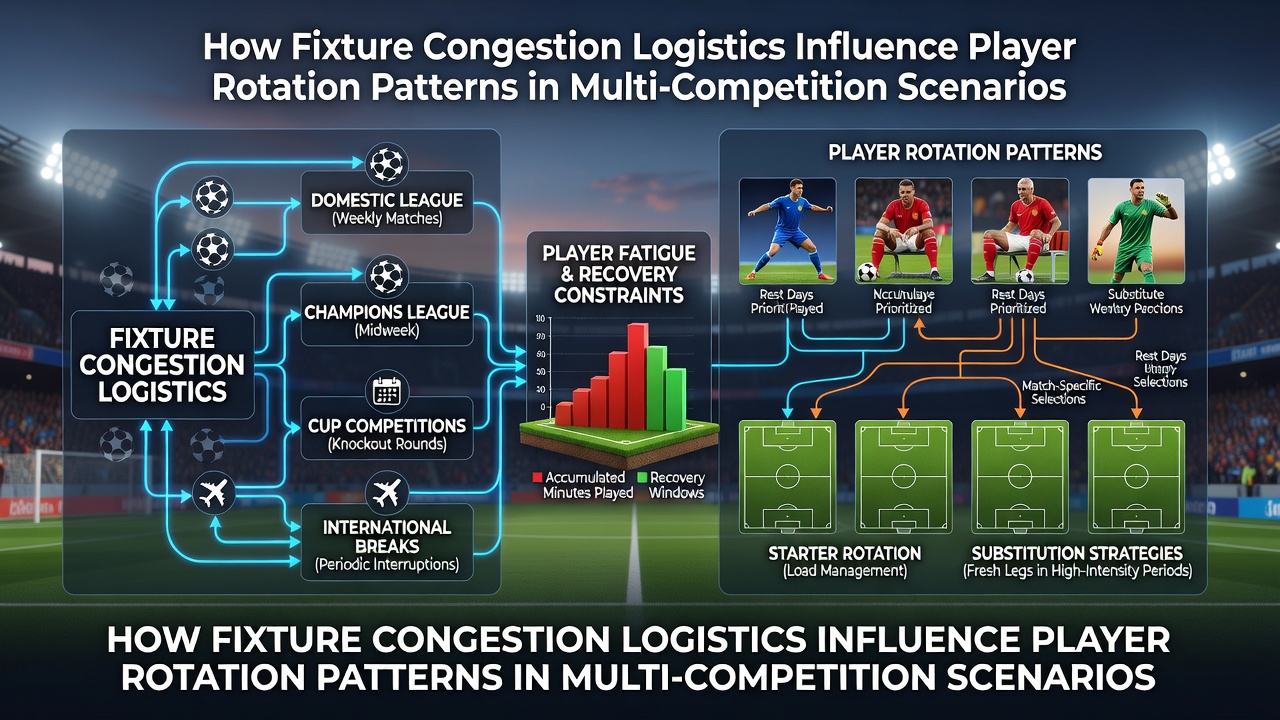
Fixture congestion logistics shape how clubs manage their squads when teams enter multiple competitions at once, and data from recent seasons shows clear patterns in rotation decisions that clubs make to maintain performance across leagues, domestic cups, and European ties. August 2026 brings its usual early-season intensity with teams balancing pre-season friendlies, league openers, and qualifying rounds that overlap in the first weeks of the campaign.
Understanding Fixture Congestion Logistics
Clubs face packed calendars because governing bodies schedule domestic leagues alongside cup competitions and continental tournaments, which forces coaches to coordinate travel, recovery periods, and training loads across continents. Studies from sports science institutions indicate that teams traveling more than 5,000 kilometers in a single month encounter greater logistical strain than those staying within domestic borders, and this affects how staff plan player minutes. Researchers at the University of Toronto have documented that recovery windows shrink when matches occur every three days, prompting medical teams to monitor muscle fatigue markers more closely during these stretches.
Logistics extend beyond travel times to include stadium availability, broadcast requirements, and weather disruptions that can shift match dates at short notice. One analysis of European fixtures revealed that rescheduling due to adverse conditions adds an extra layer of complexity, as squads must adapt training cycles on the fly while still preparing for upcoming games in different time zones.
Player Rotation Patterns in Practice
Coaches adjust lineups based on accumulated workload data, with rotation often increasing after international breaks when players return from national team duties. Evidence from match tracking systems shows that managers typically rest key midfielders and full-backs first because these positions demand high running distances, while goalkeepers and centre-backs receive fewer rotations unless injury concerns arise. In August 2026, several clubs have already demonstrated this approach during the opening weeks, alternating starters across their league and cup fixtures to preserve freshness for later stages.
Rotation frequency rises when teams advance in multiple tournaments simultaneously, and figures from performance analytics platforms reveal that squads reaching quarterfinals in Europe tend to make at least three changes per match compared with two changes in single-competition periods. Staff use GPS data and heart-rate variability readings to decide which players need rest, and these metrics guide decisions more than subjective assessments alone.
Multi-Competition Challenges and Data Insights
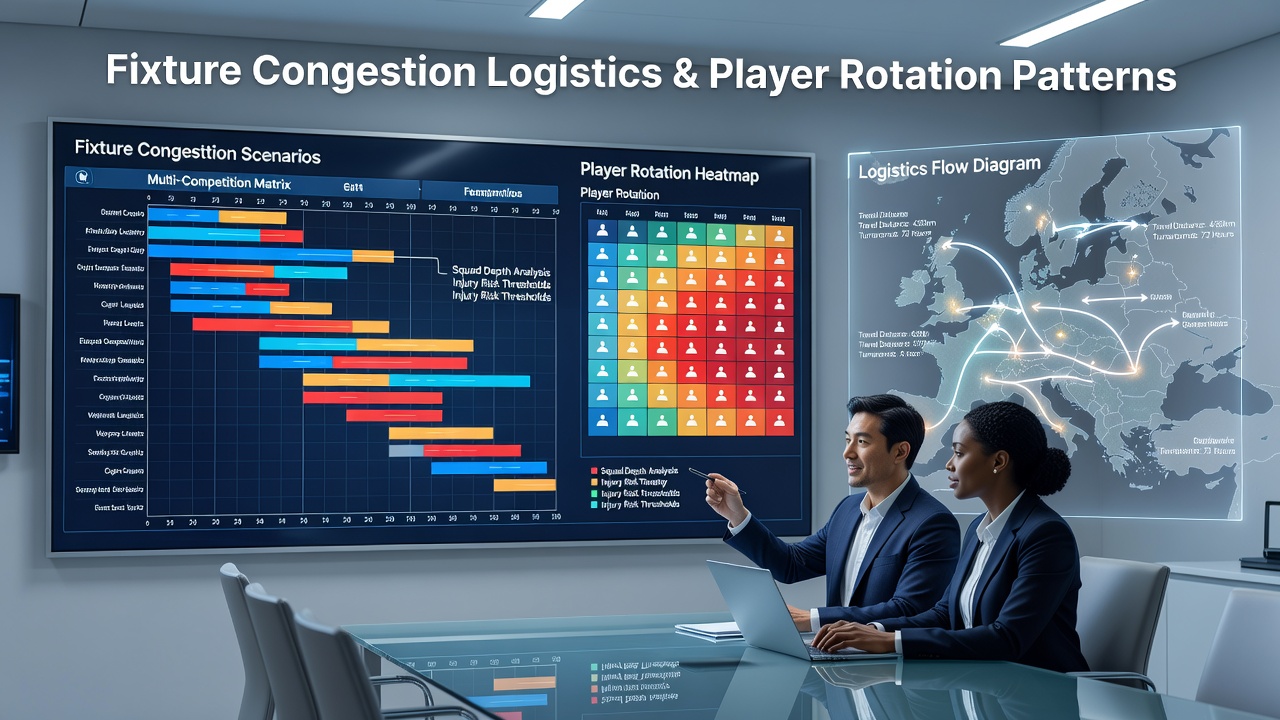
Teams competing in domestic leagues plus two European competitions encounter the highest congestion, and reports compiled by the Australian Institute of Sport highlight how these schedules increase soft-tissue injury rates by measurable margins when recovery protocols fall short. Managers therefore implement structured rotation cycles that alternate between full squads and rotated groups, ensuring that no single player exceeds a predetermined threshold of matches within a 30-day window.
Data collected across multiple leagues shows that clubs with deeper squads rotate more effectively, while those relying on smaller groups experience steeper performance drops in the latter stages of congested periods. Observers note that youth academy graduates often receive opportunities during these windows because senior players need rest, and this pattern has repeated across several top divisions in recent years. What's significant is how travel logistics compound the issue, since long-haul flights to away fixtures in different competitions reduce available training time and force staff to prioritize sleep and nutrition management over tactical drills.
Case Examples from Recent Seasons
Take one Premier League side that balanced league matches with Champions League group stages in 2025, where they rotated their attacking line every other game while keeping the defensive unit more consistent. Similar patterns emerged in South American clubs navigating Copa Libertadores alongside national leagues, where data indicated that teams rotating at least four positions per match maintained higher win rates than those making minimal changes. In August 2026, early European qualifiers have already prompted several clubs to rest star players for domestic openers, following the same evidence-based approach.
Researchers continue to track how these decisions affect long-term squad availability, and findings suggest that proactive rotation reduces the likelihood of multiple players missing extended periods due to fatigue-related issues. Clubs now integrate advanced scheduling software that factors in flight durations, match kick-off times, and even opponent styles to optimize rotation plans weeks ahead.
Conclusion
Fixture congestion logistics drive systematic changes in how clubs rotate players across multi-competition schedules, with workload data, recovery metrics, and travel planning all feeding into decisions that protect squad health while sustaining results. As calendars remain packed into the 2026 season and beyond, clubs rely on these evidence-led patterns to navigate overlapping demands effectively.