6 Jun 2026
Kit Color Psychology: How Jersey Shades Influence Referee Decisions and Subsequent Betting Odds Adjustments
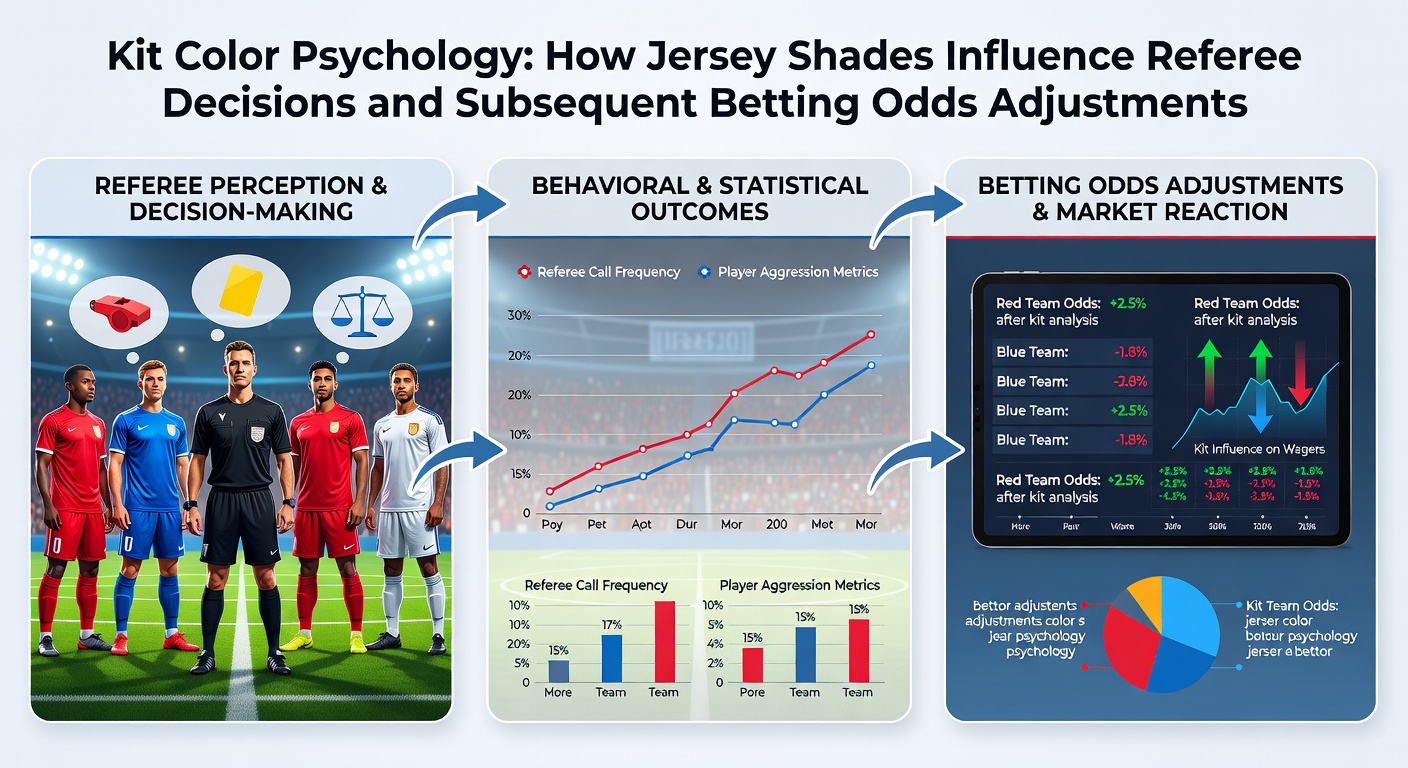
Jersey colors in football have drawn attention from researchers examining how visual cues shape referee perceptions during matches, with studies tracking patterns in fouls, cards, and penalties across various leagues. Data from multiple European competitions indicates that certain shades, particularly red and darker tones, correlate with higher rates of disciplinary actions in some contexts, prompting analysts to monitor these trends when updating live and pre-match betting lines.
Research Foundations on Color Perception in Officiating
Psychological experiments conducted over the past two decades have explored how referees process color information under time pressure, and findings from controlled simulations show variations in foul-calling frequency depending on kit hues. Observers note that teams wearing red jerseys receive more yellow cards on average in certain datasets, though results vary by league and competition level, while neutral tones like white or light blue appear less associated with such patterns according to aggregated match statistics. In June 2026, as preparations intensify for international tournaments, betting operators have begun incorporating color-based variables into their models following reviews of historical referee data from continental qualifiers.
One study published in a sports science journal highlighted differences in decision speed when officials viewed video clips featuring players in high-contrast kits versus muted ones, and this research aligns with observations from domestic leagues where darker jerseys coincided with increased stoppage time in midfield areas. Those who've analyzed referee performance metrics point to environmental factors such as lighting and pitch conditions as modifiers that can amplify or diminish these effects during evening fixtures.
Referee Decision Patterns Across Competitions
Match logs from top-tier European leagues reveal that teams in red or black kits draw slightly elevated penalty awards in opponent penalty areas during certain seasons, yet the same datasets show opposing trends when those teams play away under floodlights. Analysts track these shifts through detailed event data, noting how early cautions can cascade into later adjustments by officials seeking to balance game flow. Betting markets respond quickly to such information, with odds compilers adjusting handicap lines and card totals within minutes of lineup announcements that reveal kit selections.
Figures from the 2025-2026 campaign demonstrate measurable movements in over/under markets for disciplinary points when prominent clubs switch to alternate strips mid-season, and these changes often precede actual match outcomes by several percentage points in implied probability. Researchers at institutions across North America and Australia have contributed comparative studies, confirming that color influences remain consistent even after controlling for team strength and tactical styles in regression analyses.
Market Responses and Odds Adjustments
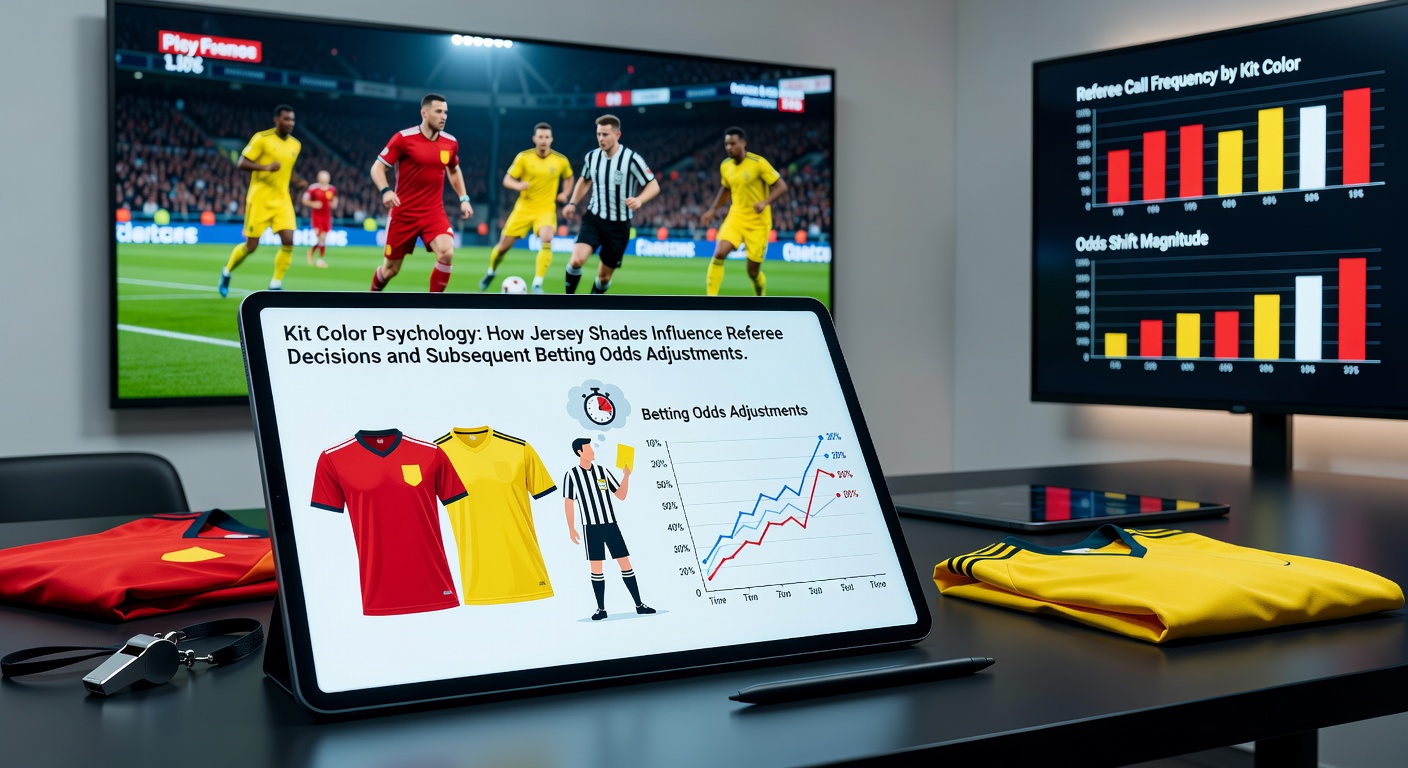
Betting platforms integrate referee tendency reports with kit color data to refine live odds, particularly in accumulator products where multiple card or foul markets combine. When a side known for aggressive pressing appears in a high-visibility shade, market makers often nudge totals upward based on historical correlations rather than subjective judgment. This process draws from aggregated data supplied by performance analysis firms, and it reflects broader industry efforts to account for perceptual biases documented in academic literature.
European regulatory frameworks and industry reports from bodies such as the European Gaming and Betting Association emphasize transparency in how such variables enter pricing algorithms, while Canadian provincial oversight requires disclosure of data sources used in odds compilation. Australian wagering operators similarly reference peer-reviewed findings when calibrating in-play features, ensuring adjustments remain grounded in observable patterns rather than speculation. During June 2026 international windows, several platforms reported increased volatility in card-related propositions tied directly to kit announcements from national federations.
Practical Examples from Recent Fixtures
Take a mid-table clash from the prior season where one side donned a vivid crimson strip for the first time that campaign, and subsequent foul counts rose notably compared to their standard palette according to official match reports. Bookmakers responded by shortening odds on overs for total bookings, while handicaps shifted to reflect the altered risk profile. Another instance involved a European tie where lighter away kits coincided with fewer stoppages, leading to tighter goal lines as markets priced in smoother gameplay.
Those monitoring these developments observe that social media discussions around kit choices occasionally amplify market reactions, though core adjustments stem from quantitative tracking of referee behavior across thousands of matches. Data from multiple continents shows the effect size remains modest yet persistent enough to influence sharp bettors who factor perceptual elements into their strategies.
Conclusion
Kit color psychology intersects with referee decision-making through measurable patterns documented in research and match data, leading betting operators to refine their models accordingly. As leagues progress into 2026 schedules, continued analysis of these variables supports more precise odds movements that reflect documented perceptual influences without relying on unverified assumptions. Observers continue to examine how these dynamics evolve across different competitions and lighting conditions.