3 Aug 2026
League Expansion Echoes: How Champions League Growth Reshapes Group Stage Forecasts and Long-Term Outright Markets
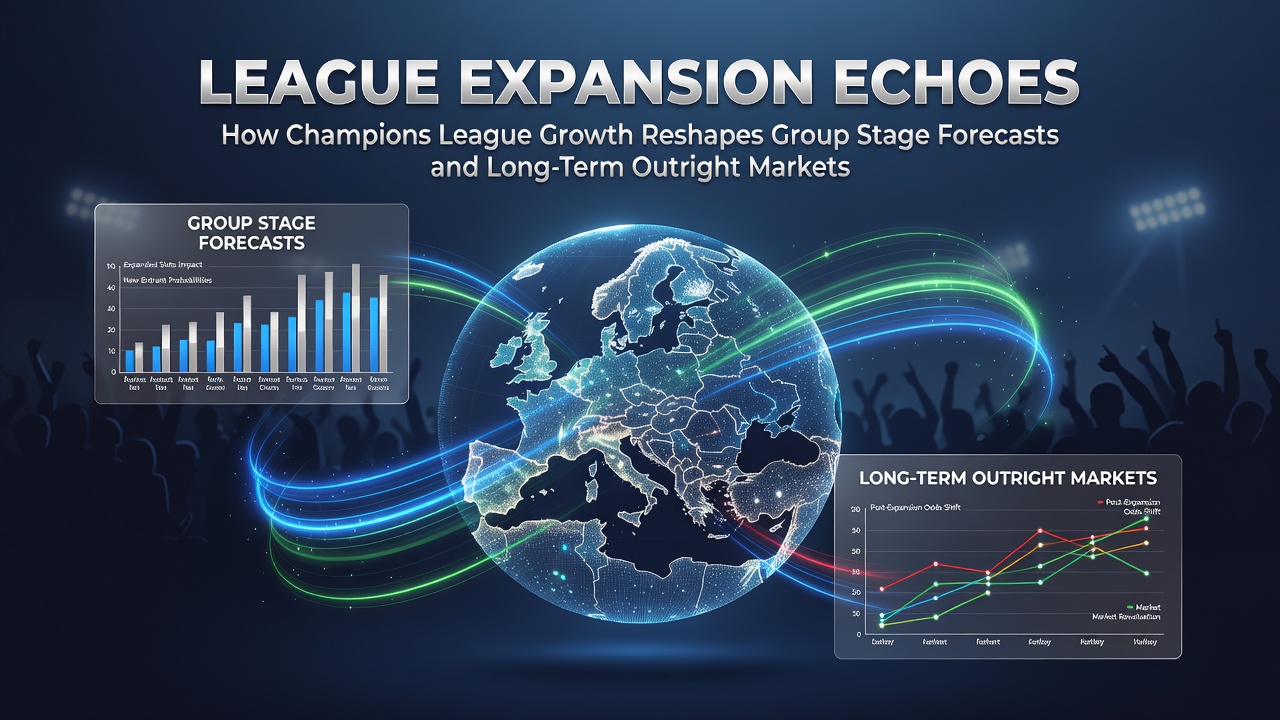
UEFA introduced a revised Champions League format ahead of the 2024/25 campaign, expanding the competition from 32 to 36 teams and replacing the traditional group stage with a single league phase that features 36 clubs playing eight matches each, and observers note this structural shift continues to influence betting forecasts well into subsequent seasons including the buildup to August 2026. The change creates additional fixtures across the autumn months, which alters qualification paths and generates fresh data points for analysts tracking team performance metrics such as expected goals, clean sheet rates, and points accumulation patterns.
League Phase Mechanics and Updated Forecasting Models
Teams now earn points through a broader schedule that pits them against eight different opponents drawn from a seeded pool, and this setup replaces the old four-team groups where each side played just six matches. Data from UEFA competitions indicates that the increased number of games produces wider variance in results, which in turn prompts betting markets to adjust probabilities for progression to the knockout rounds more frequently than in prior cycles. Forecasters incorporate variables like travel distance between matches, squad rotation depth, and historical performance in midweek fixtures to refine their projections, since the league phase stretches across ten matchweeks rather than the previous six.
Market operators respond by releasing updated odds after each round of fixtures, and those adjustments reflect cumulative data rather than isolated results. One study released by the European Club Association highlights how clubs with deeper benches maintain higher win percentages across the expanded slate, which directly feeds into long-term outright market calculations for eventual tournament winners. The reality is that early league phase outcomes now carry heavier weight because every result counts toward the top-eight automatic advancement spots and the play-off berths that follow for teams ranked ninth through twenty-fourth.
Impact on Group Stage Style Forecasts
Although the term "group stage" still appears in some commentary, the league phase functions as a single table, and this unified structure changes how prediction models weigh head-to-head records and goal difference. Researchers at sports analytics firms have observed that goal-scoring rates per match have risen slightly under the new format, partly because teams chase results more aggressively to secure higher placement. Betting exchanges reflect these patterns through tighter spreads on over/under goals lines for specific matchups, while outright markets for stage winners adjust based on remaining fixtures and current point totals.
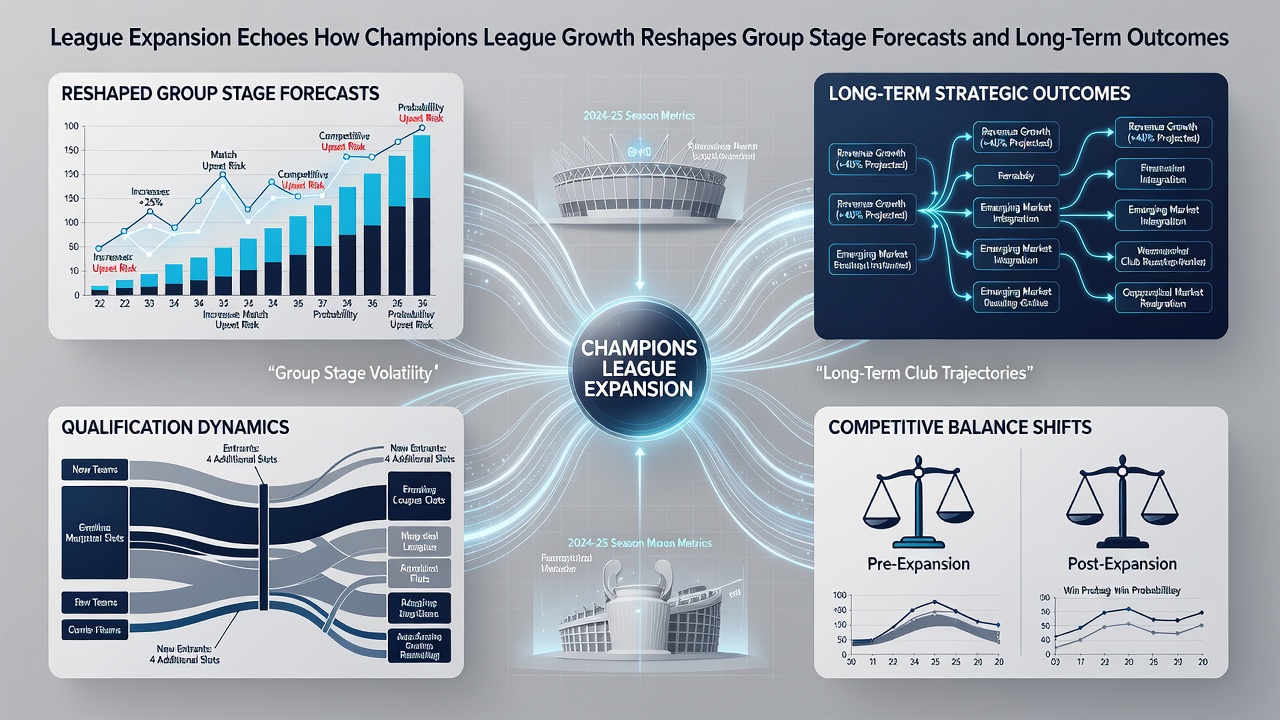
Long-term outright markets for the overall champion now integrate performance across more matches, which reduces the influence of any single result yet amplifies the importance of consistency over the full campaign. Figures from industry reports compiled by the European Gaming and Betting Association show increased trading volume on season-long futures once the league phase concludes, because the knockout bracket becomes clearer at that point. Analysts update their simulations after every set of fixtures, factoring in rest periods and European travel schedules that grow more demanding with the extra games.
Long-Term Outright Markets and Market Movements
Bookmakers widen or narrow outright odds for clubs based on league phase positioning, and this dynamic creates opportunities for bettors who monitor mid-season trends. Data released in mid-2026 by academic researchers at the University of Lausanne demonstrates that teams advancing from the top eight of the league phase historically convert to tournament winners at a higher rate than those entering through play-offs. Consequently, outright markets tighten around the leading group while offering longer prices on clubs that must navigate additional knockout hurdles.
August 2026 marks the traditional start of the new European season, and pre-season outright markets already embed lessons from the prior two expanded campaigns. Clubs that performed strongly in the 2025/26 league phase carry forward momentum into fresh outright listings, whereas those eliminated early see their odds lengthen immediately. This pattern repeats across multiple seasons because the format rewards sustained performance rather than short bursts of form.
Conclusion
The Champions League expansion continues to generate layered effects on both short-term progression forecasts and extended outright markets, with each season adding new data that refines predictive accuracy. Clubs, analysts, and market operators alike adapt their approaches to the eight-match league phase structure, and the resulting adjustments shape betting landscapes through the 2026/27 campaign and beyond.