15 Jul 2026
Managerial Mind Games: Press Conference Comments and Their Subtle Shifts in Pre-Match Market Movements
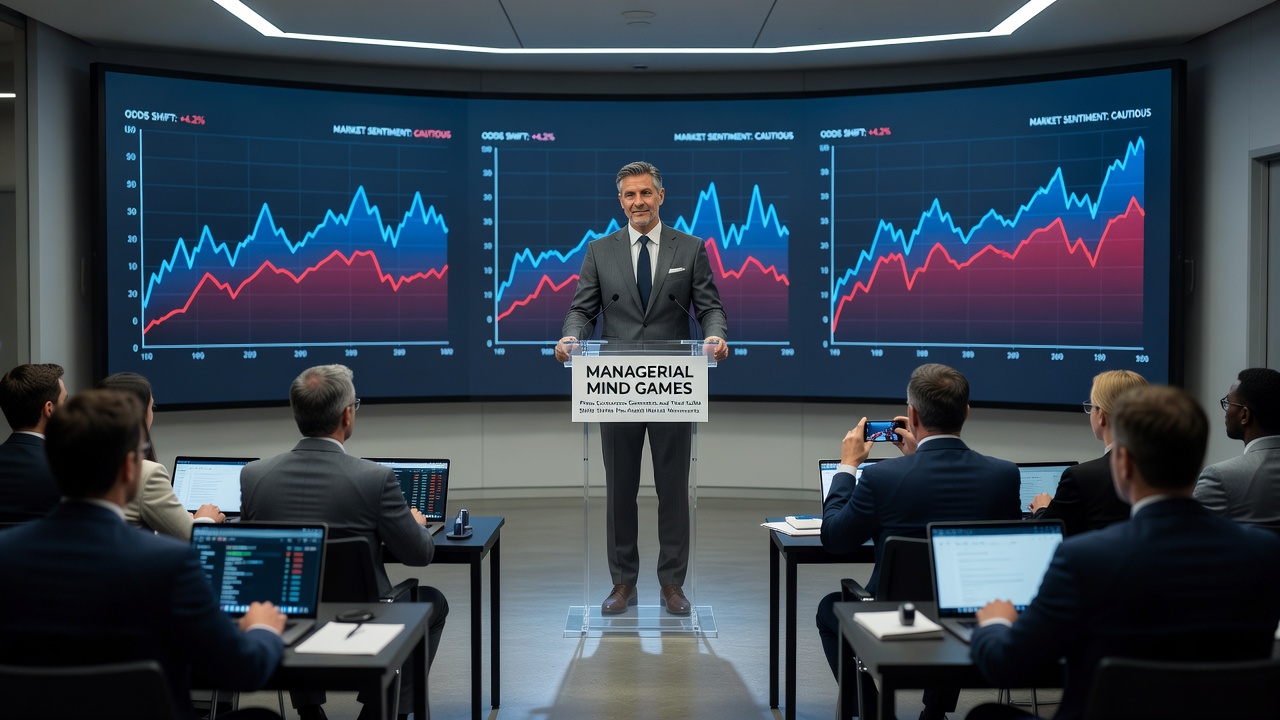
Press conferences have long served as platforms where managers deliver prepared statements while embedding subtle signals that ripple through pre-match betting markets, and observers note these exchanges often precede measurable adjustments in odds across major European leagues. Teams prepare for fixtures in July 2026 with analysts tracking every word from coaches who balance honesty with tactical deception, since bookmakers monitor transcripts in real time and adjust lines accordingly.
How Comments Translate Into Market Adjustments
Managers rarely state intentions outright, yet phrases about player fitness, team morale, or opponent respect prompt immediate recalibrations among odds compilers who integrate linguistic patterns into their models, and data from European fixtures shows lines on both handicap and total goals markets shifting within minutes of these briefings concluding. Researchers at institutions studying behavioral finance in sports markets have documented how neutral language about rotation policies correlates with widened spreads on underdog selections, while mentions of key absences tighten favorites' prices by fractions that accumulate across accumulator products.
Patterns Observed Across Leagues
Analysts reviewing transcripts from the 2025-26 campaign identified recurring themes where coaches emphasize defensive organization only to see over markets drift higher, and similar movements appear when managers highlight attacking threats yet see their own side's goal tallies priced more conservatively. In one instance during a Champions League group stage buildup, a coach's comment on set-piece vulnerabilities preceded a 0.15 goal adjustment on the total line within an hour, according to tracking data compiled by industry observers. These shifts occur because market makers factor in both the information content and the perceived credibility of the speaker, which varies by tenure and historical accuracy of past remarks.
Bookmakers maintain dedicated teams that parse video and text feeds from these sessions, cross-referencing them against injury reports and training ground updates released earlier in the week, while regulatory bodies in Australia have noted similar monitoring practices among licensed operators to maintain market integrity during high-volume periods. The result is a layered information environment where a single sentence can stabilize or destabilize certain selections depending on context and delivery tone.
Case Examples From Recent Seasons
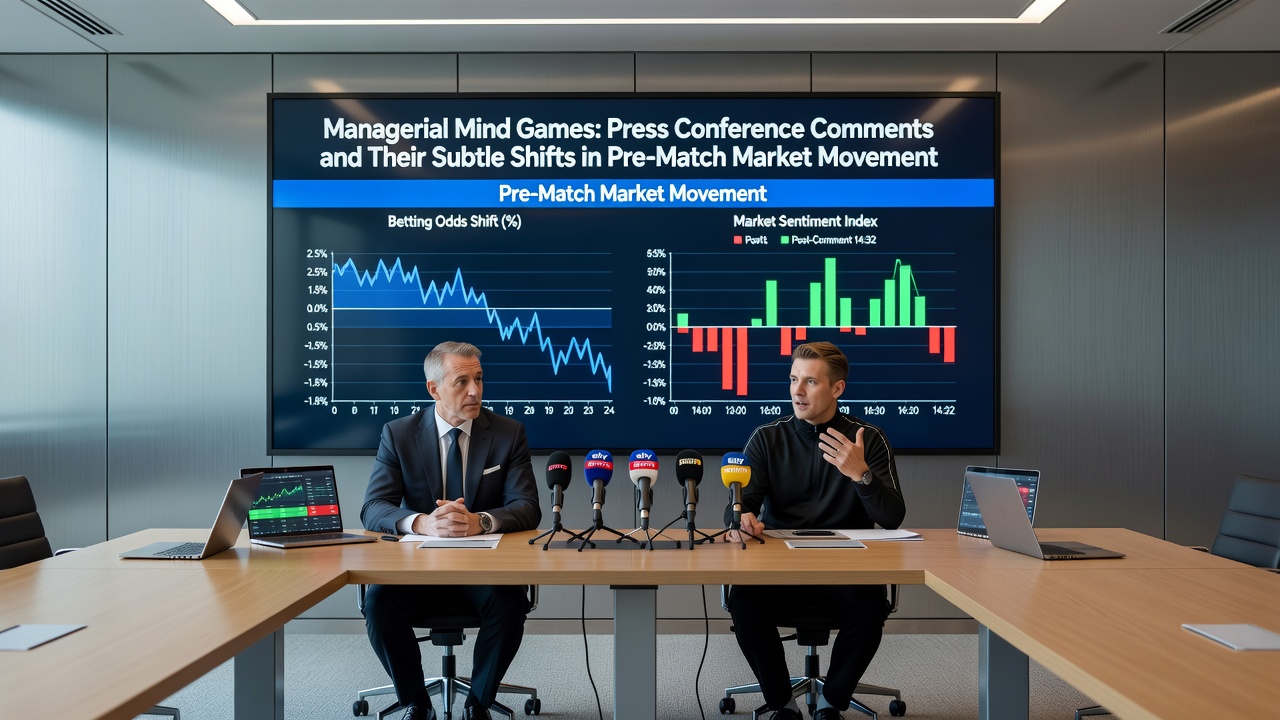
During preparations for a high-profile domestic cup tie in early 2026, one manager referenced squad depth limitations after a congested schedule, and within ninety minutes the away win price lengthened by several points before stabilizing once training footage confirmed full availability. Observers tracking these movements across multiple bookmakers recorded parallel drifts on Asian handicap lines, demonstrating how the same statement influences distinct market segments simultaneously. Another example emerged when a coach praised an opponent's recent form in measured terms, after which the draw market tightened noticeably as bettors interpreted the remark as an implicit signal of respect rather than routine diplomacy.
Studies from academic sources examining information asymmetry in betting environments indicate that markets absorb these verbal cues faster than traditional news wires, particularly when the comments address variables already priced into opening lines. Those who monitor such patterns across the Premier League and Bundesliga report that comments delivered in the final forty-eight hours before kickoff carry greater weight than earlier statements, since they leave less time for counter-information to emerge.
Mechanisms Driving The Shifts
Odds compilers integrate natural language processing tools that flag keywords related to fitness, motivation, and tactical intent, then layer human judgment over automated alerts to decide whether adjustments are warranted. This process explains why seemingly innocuous remarks about weather conditions or travel fatigue sometimes trigger larger movements than direct injury disclosures, because the former introduce uncertainty into variables that models treat as fixed. Data aggregated across operators shows average pre-match volatility increases by measurable margins on days when prominent managers hold extended briefings, and the effect compounds in weeks with multiple overlapping fixtures.
Industry reports from North American sports betting associations highlight how these dynamics extend beyond domestic markets, influencing international syndicates that place early positions based on transcript sentiment scores. The interaction between verbal signals and statistical models creates feedback loops where initial line moves attract further betting interest, which in turn amplifies the original shift until equilibrium returns closer to kickoff.
Conclusion
Press conference commentary continues to function as an input layer within pre-match market ecosystems, and evidence from multiple seasons confirms that these exchanges produce detectable, if often modest, movements across core betting products. Analysts and operators alike track these developments because they reveal how qualitative information integrates with quantitative pricing frameworks, while participants in the wider ecosystem adapt their monitoring routines accordingly. As the 2026 calendar advances, the interplay between spoken remarks and odds trajectories remains a consistent feature of fixture preparation across elite competitions.