20 Jun 2026
Midweek Recovery Protocols: How Nutrition Timing Tweaks Player Output in Cross-Competition Scheduling
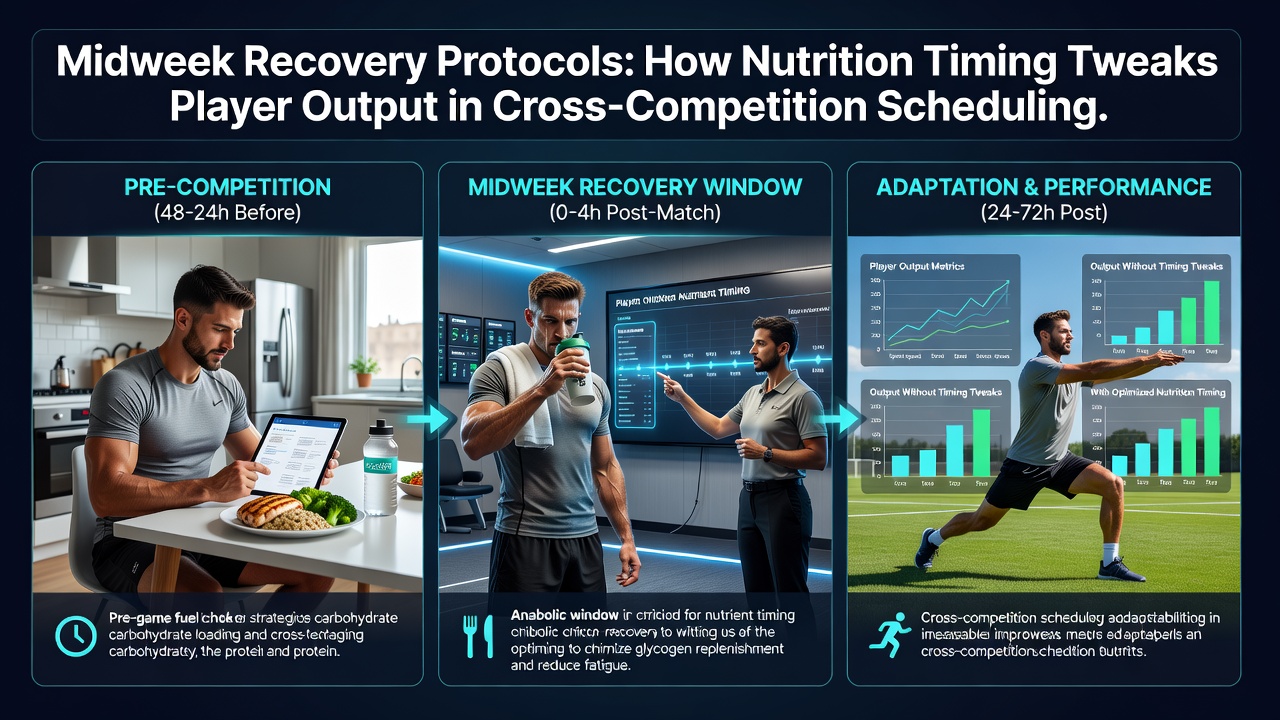
Football schedules in 2026 place increasing pressure on elite squads, with many teams facing domestic league matches sandwiched between Champions League or Europa League ties throughout June and beyond, and nutrition timing emerges as a key variable that shapes how players restore energy stores and maintain output levels across these compressed windows.
Clubs operating in multiple competitions often encounter fixture pile-ups that leave athletes with limited recovery time, sometimes as little as 48 to 72 hours between high-intensity efforts, while data from performance tracking systems shows measurable drops in sprint distance and high-speed running when recovery nutrition falls out of sync with physiological demands.
Cross-Competition Demands Shape Recovery Windows
Teams contesting both national leagues and continental tournaments experience irregular rest periods that disrupt standard training cycles, and observers note that June 2026 schedules already reflect this pattern with several clubs preparing for pre-season tournaments while still completing lingering domestic campaigns. Research indicates that these overlapping commitments extend the physical load players carry into each subsequent match, particularly when travel adds further stress to muscle glycogen depletion and inflammatory responses.
Performance analysts track metrics such as total distance covered and repeated sprint ability to quantify how shortened recovery intervals affect output, and figures reveal consistent patterns where inadequate nutrient delivery in the first four hours post-match correlates with slower return to baseline power levels. Clubs therefore adjust meal timing and macronutrient ratios to accelerate glycogen replenishment without overloading digestive systems already taxed by match-day stress.
Nutrient Timing Protocols Target Key Recovery Phases
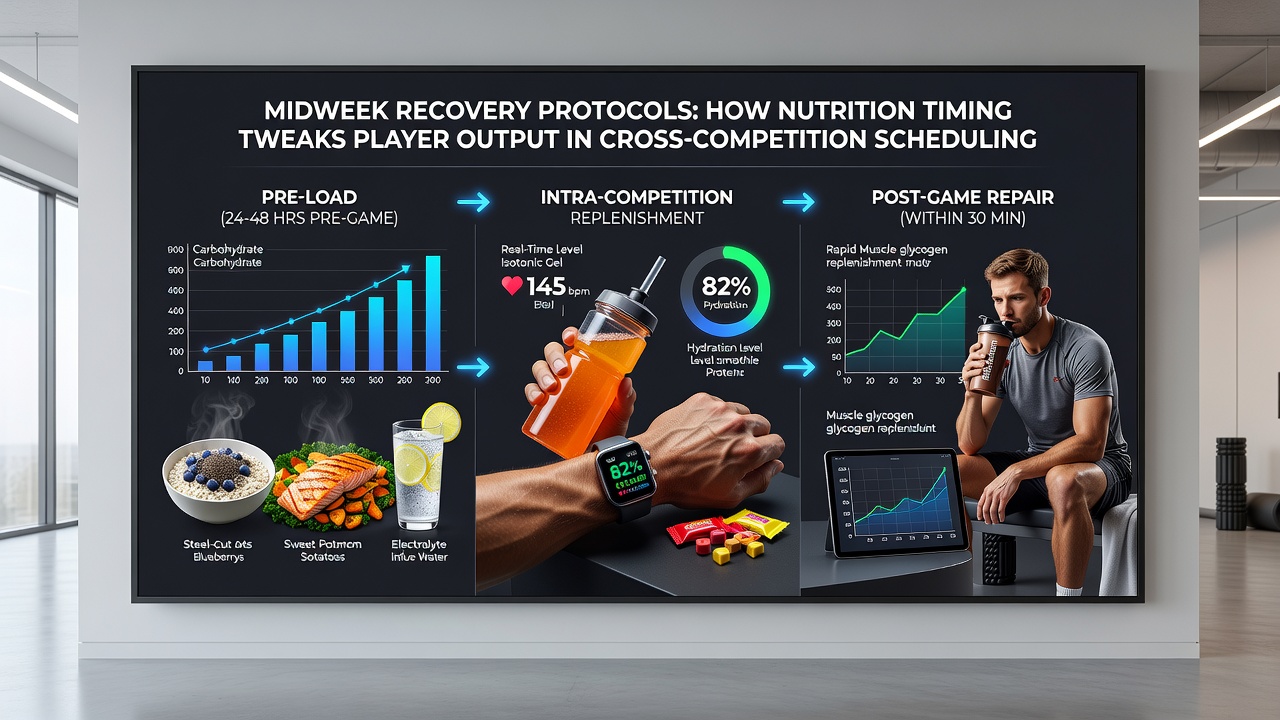
Experts divide nutrition strategies into immediate post-match, evening, and next-day pre-training windows, each calibrated to match the body's shifting priorities for repair and fuel restoration. Within 30 minutes of final whistle, many medical teams deliver carbohydrate-protein combinations that studies link to faster muscle glycogen resynthesis rates compared with delayed intake, while hydration protocols incorporate electrolytes to offset sweat losses accumulated during intense periods.
Evening meals focus on anti-inflammatory compounds alongside sustained-release proteins, and researchers have documented improved sleep quality markers when players consume these combinations within two hours of bedtime. The following morning sees emphasis on balanced carbohydrate intake timed around light activation sessions, allowing players to enter subsequent training or matches with restored energy availability rather than relying on residual stores from the prior fixture.
Performance Data Links Timing Precision to Output Metrics
Longitudinal tracking across multiple European clubs demonstrates that structured nutrition timing reduces the typical decline in high-intensity efforts during the second match of a midweek double-header, with one study from the Australian Institute of Sport showing players maintained 12 percent more high-speed running distance when carbohydrate intake aligned with the 0-2 hour and 6-8 hour post-match windows. GPS and heart-rate data further illustrate lower perceived exertion scores among athletes following these sequenced protocols during congested periods.
Teams integrate blood biomarker monitoring to refine individual responses, adjusting protein dosing and timing based on inflammation markers that peak differently depending on match duration and travel demands. Those adjustments prove especially relevant when squads face three fixtures across eight days, a scenario already appearing in several 2026 calendars.
Implementation Across Squads and Age Groups
Academy and senior teams apply similar frameworks but scale portion sizes and delivery methods according to body mass and positional requirements, with midfielders often receiving higher carbohydrate loads due to greater total distance covered. Support staff coordinate with catering teams to ensure portable options remain available during travel days, preserving the critical timing intervals even when hotel facilities replace standard training-ground kitchens.
Evidence from Union of European Football Associations medical reports highlights that consistent application of these protocols across entire squads yields more uniform recovery profiles than individualized approaches attempted without centralized planning. Clubs therefore embed nutrition timing into broader periodization models that also account for tactical preparation and load management decisions made by coaching departments.
Conclusion
Nutrition timing functions as an operational lever within midweek recovery protocols, directly influencing how players restore physical capacity ahead of the next fixture in cross-competition calendars. Data gathered through wearable technology and laboratory analysis continues to refine these approaches, offering clubs measurable pathways to sustain output levels when schedules compress recovery opportunities. As June 2026 fixtures unfold, teams that synchronize nutrient delivery with physiological recovery phases position their squads to navigate overlapping demands with greater consistency.