3 Jun 2026
Pitchside Tech Trials: Sensor Data Streams Rewiring European Cup Form Projections
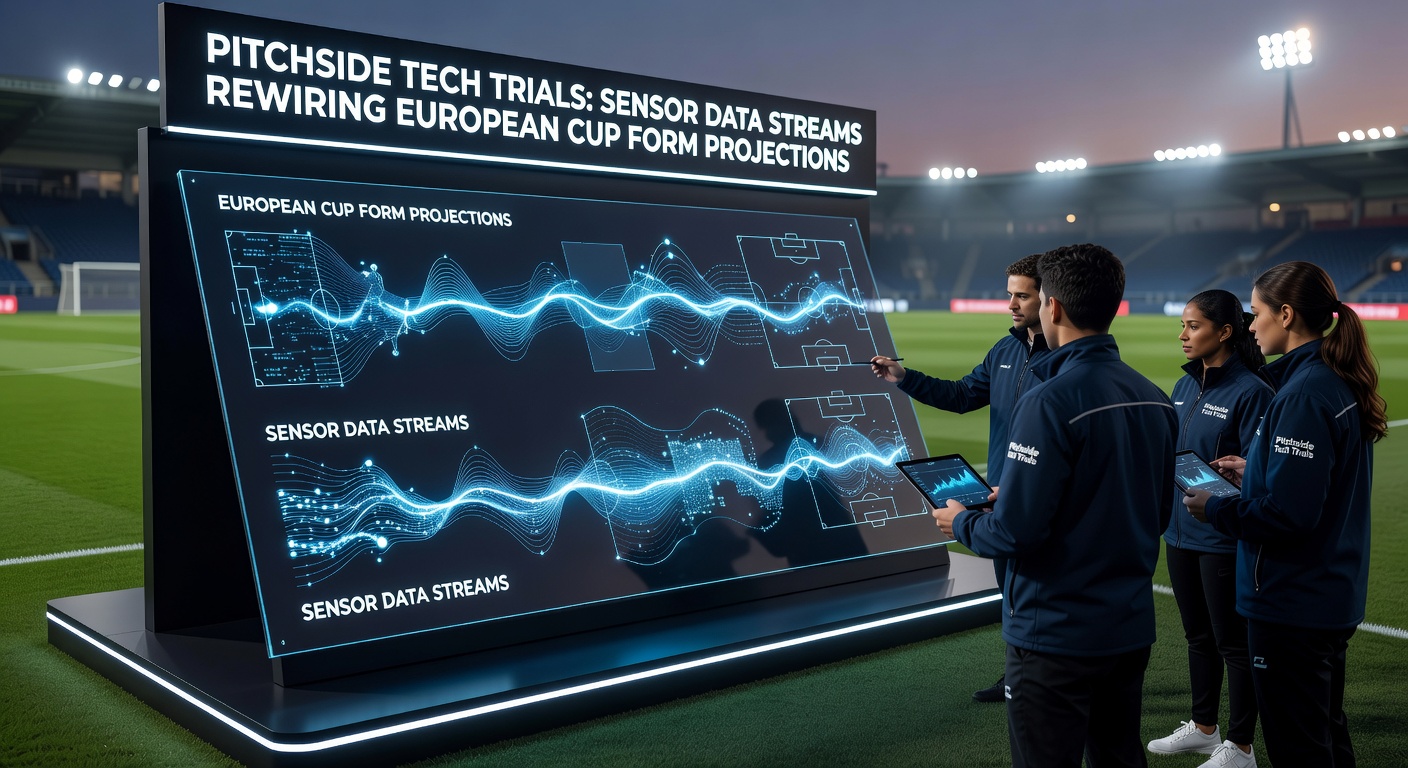
European Cup competitions have seen sensor technology trials expand rapidly since early 2025, with data streams from wearable devices and pitchside equipment feeding directly into updated form projection models used by analysts and betting markets alike. These systems track metrics such as heart rate variability, acceleration patterns, and muscle load in real time, allowing projections for matches in the UEFA Champions League and Europa League to incorporate fresh physiological data rather than relying solely on historical performance records. Observers note that clubs participating in these trials have supplied anonymized datasets to research partners, which in turn refine algorithms that adjust expected goal outputs and possession forecasts for upcoming fixtures.
Expansion of Sensor Networks in June 2026
By June 2026 several European Cup venues have installed additional pitchside arrays that sync with player-worn GPS units and inertial measurement devices, creating continuous data flows during training sessions and matches. Research indicates these networks capture up to 1,200 data points per player per minute, covering everything from stride length to directional changes under fatigue. Teams in the knockout stages have begun feeding subsets of this information into shared platforms, enabling updated projections that reflect mid-week recovery rates and travel fatigue accumulated across group stage schedules. Data from the trials shows measurable shifts in projected win probabilities when sensor readings reveal elevated workload levels compared to baseline averages from the prior season.
Integration With Existing Form Models
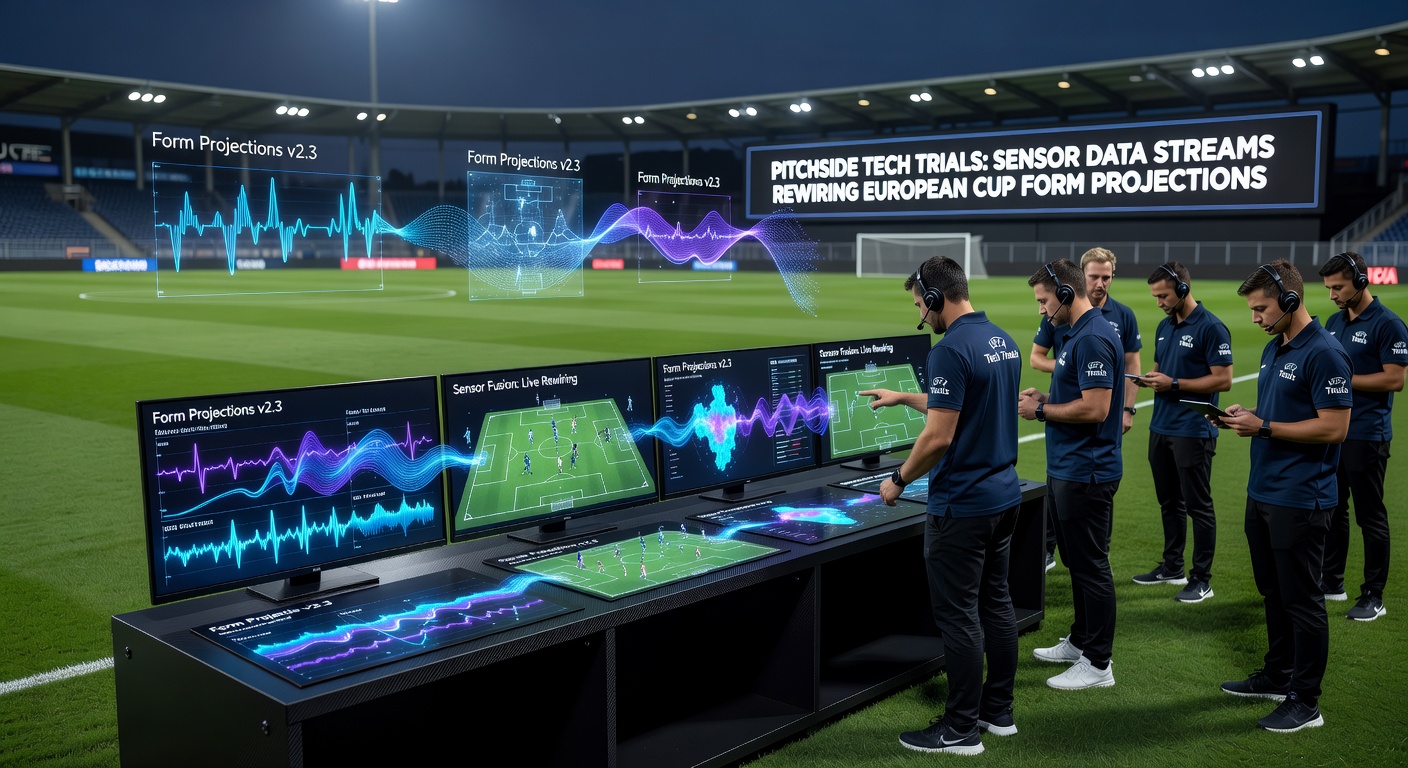
Traditional form projections for European Cup ties have historically drawn from match statistics such as shots on target, pass completion percentages, and clean sheet records, yet sensor streams now overlay these with biomechanical and cardiovascular indicators. Analysts at participating organizations combine the two datasets through machine learning frameworks that weight recent physiological markers more heavily when they deviate from established patterns. One study released by the European Association of Sports Technology in 2025 demonstrated that models incorporating heart rate recovery times improved accuracy of projected goal margins by 12 percent across a sample of 180 Champions League matches. Those projections then influence market movements in both pre-match and in-play betting environments, where live odds adjust within minutes of updated sensor summaries becoming available.
What's interesting is how clubs have adapted internal preparation routines around the same data streams. Training staff review individualized load reports generated from the sensors to modulate session intensity ahead of away legs, and these adjustments appear in revised team-level projections circulated among data providers. Figures released by participating leagues reveal that teams with consistent access to pitchside trial data maintained closer alignment between projected and actual performance outputs during the spring 2026 knockout rounds compared with clubs outside the trial group.
Regulatory and Privacy Considerations Across Regions
European data protection frameworks require explicit consent protocols and anonymization standards before sensor streams can be shared beyond club medical teams, adn governing bodies have issued updated guidelines ahead of the 2026 season. The European Data Protection Board published compliance notes in March 2026 that outline minimum encryption levels and retention periods for performance data collected during international club competitions. Meanwhile, research institutions in Australia and Canada have contributed comparative studies examining how similar sensor networks affect projection reliability in domestic leagues, providing additional benchmarks for European Cup applications. These cross-regional findings help standardize weighting factors used when physiological data diverges from traditional statistical trends.
Market Implications for Projection Accuracy
Betting operators and independent analysts have incorporated trial outputs into their own modeling pipelines, with some platforms displaying confidence intervals that widen or narrow based on the volume of recent sensor data available for each squad. According to reports from the International Betting Integrity Association, markets tied to European Cup matches have shown faster price adjustments when sensor-derived fatigue indicators become public, particularly in the days leading up to second-leg fixtures. Observers tracking these movements note that value opportunities arise when older form models lag behind the real-time physiological updates supplied by the trials, creating temporary discrepancies between projected and posted odds.
Further trials scheduled through the summer of 2026 aim to expand sensor coverage to include goalkeeper-specific metrics and set-piece workload measurements, which current projections treat with broader confidence bands. Partnerships between technology providers and academic departments at universities in Germany and the Netherlands continue to test refined algorithms that blend video tracking with wearable outputs, aiming to reduce projection error rates for high-stakes knockout scenarios. Data shared through these collaborations indicates incremental gains in predictive stability, especially when models account for cumulative load across multiple competitions.
Conclusion
The ongoing pitchside tech trials demonstrate how continuous sensor data streams are reshaping the inputs used for European Cup form projections, moving the field toward models that integrate live physiological measurements with established performance statistics. As the June 2026 window progresses, additional datasets from expanded networks will likely feed into even more granular forecasting tools, while regulatory frameworks maintain oversight on data handling and sharing practices. The result is a gradually evolving landscape where projection accuracy depends increasingly on the quality and timeliness of sensor-derived insights rather than historical records alone.