1 Nov 2026
Sideline Medical Protocols Reshaping Goal Dynamics in Europe's Dense Fixture Lists
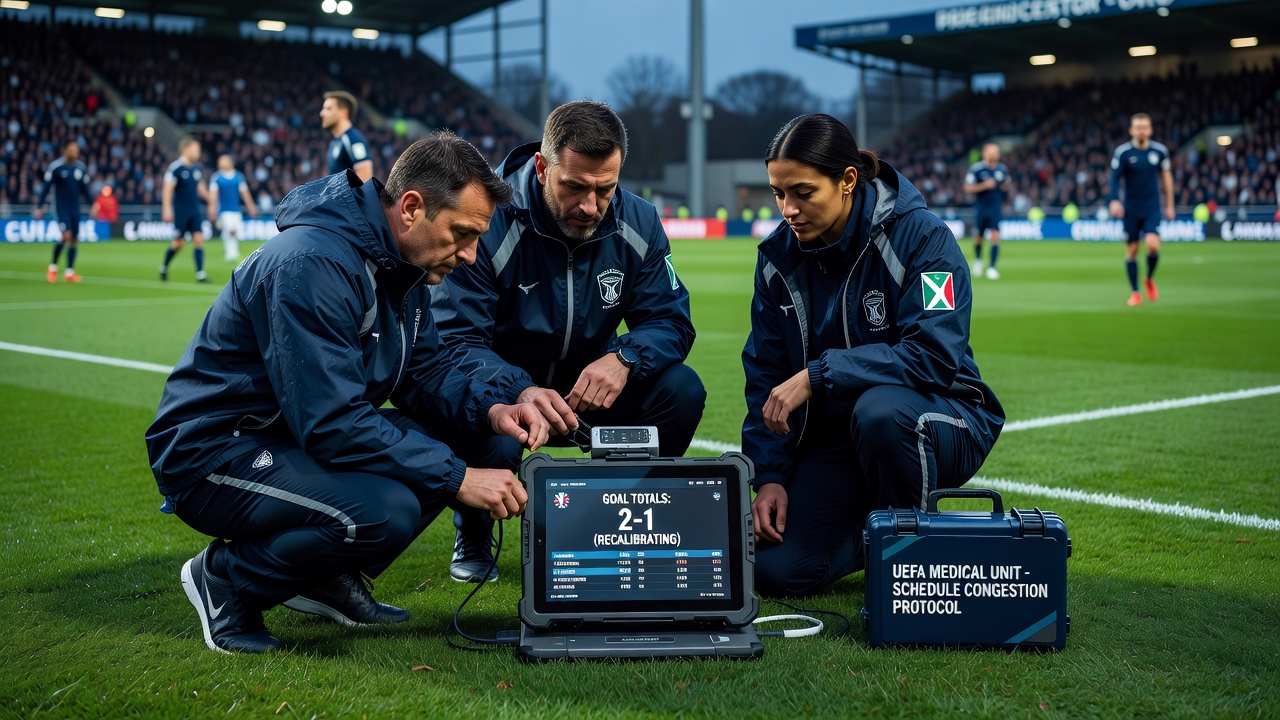
European football schedules have grown increasingly packed through 2026, and pitch-side medical interventions now play a measurable role in how matches unfold; quick assessments, on-field treatments, and rapid return-to-play decisions alter player availability and shift goal patterns across multiple competitions at once.
Understanding Congested Calendars and Their Physical Toll
Clubs competing in domestic leagues plus the Champions League or Europa League face fixture clusters that compress recovery windows, and data from UEFA tracking programs show average player match loads rising steadily since the expanded format changes took hold; these overlapping demands create repeated windows where fatigue accumulates, yet on-pitch care teams intervene within minutes to stabilize injuries or manage cramps before they force permanent exits.
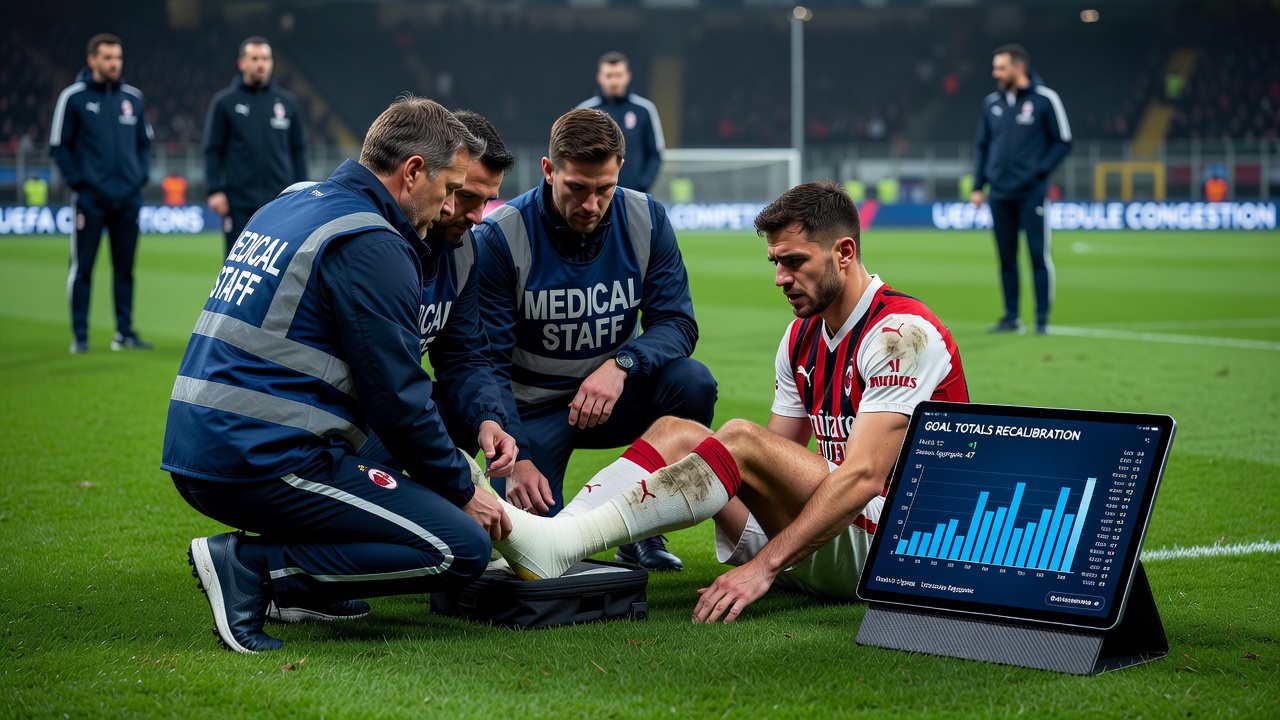
November 2026 brought another round of midweek fixtures across the continent, with several clubs logging three matches in eight days; medical staff at those venues recorded higher rates of soft-tissue interventions, including taping, anti-inflammatory injections administered under strict protocols, and brief cooling treatments that allowed players to complete additional minutes.
How Pitch-Side Interventions Operate in Real Time
Medical personnel positioned along the touchline carry portable diagnostic kits and follow standardized assessment sequences; when a player signals distress, the first responder evaluates joint stability or muscle response on the spot, then decides whether a two-minute treatment window suffices or a substitution becomes necessary, and these choices directly influence whether a team maintains its attacking shape or drops into a more defensive posture.
Studies compiled by the FIFA Medical Network indicate that interventions lasting under ninety seconds succeed in returning players to action roughly 68 percent of the time during league fixtures, while longer pauses correlate with tactical adjustments that reduce open-play opportunities and therefore goal creation for both sides.
Effects on Goal Totals Across Competitions
Matches featuring multiple medical stops tend to produce different scoring distributions than cleaner contests; defensive units that lose a key midfielder to a prolonged assessment often concede more shots from distance, whereas attacking sides that regain a forward after brief treatment maintain pressing intensity and generate higher expected-goal values in the remaining minutes.
League-wide figures from the 2025-26 season already revealed a modest uptick in goals during congested periods when compared with earlier decades, and analysts attribute part of that shift to the growing sophistication of pitch-side care that keeps more players on the field for the full ninety minutes plus added time.
Regional Variations and Scheduling Pressures
Italian and Spanish clubs, which often navigate tighter travel schedules within their domestic leagues, report slightly higher intervention success rates than their English counterparts; the difference appears tied to milder weather conditions that reduce the incidence of muscle tears, allowing medical teams to focus on joint and impact injuries instead.
Meanwhile, German Bundesliga sides benefit from earlier adoption of wearable load-monitoring systems that feed data directly to sideline staff, enabling preemptive substitutions before visible fatigue sets in; these proactive steps have contributed to steadier goal outputs even when teams play four fixtures inside fourteen days.
Case Patterns from Recent European Rounds
One Champions League group-stage match in October 2026 saw a central defender receive on-pitch treatment for a hamstring cramp, return after ninety seconds, and then score from a set piece two minutes later; the sequence preserved his team's defensive structure while adding an unexpected goal that altered the aggregate scoreline for knockout qualification purposes.
Another example emerged during a Premier League weekend where two teams contested a midweek cup tie followed by a league fixture; medical logs showed three successful pitch-side interventions that kept attacking players involved, and the combined goal tally reached four compared with the season average of 2.7 for similar fixture pairs.
Conclusion
Pitch-side medical interventions continue to integrate more deeply into European football operations, and their influence on goal totals during congested periods rests on measurable patterns of player retention and tactical continuity; as fixture calendars remain dense through late 2026 and beyond, these sideline protocols represent a quiet but persistent factor in how matches reach their final scores.