18 Oct 2026
Substitution Decisions by Managers Creating Late Opportunities in Multi-Competition Accumulators
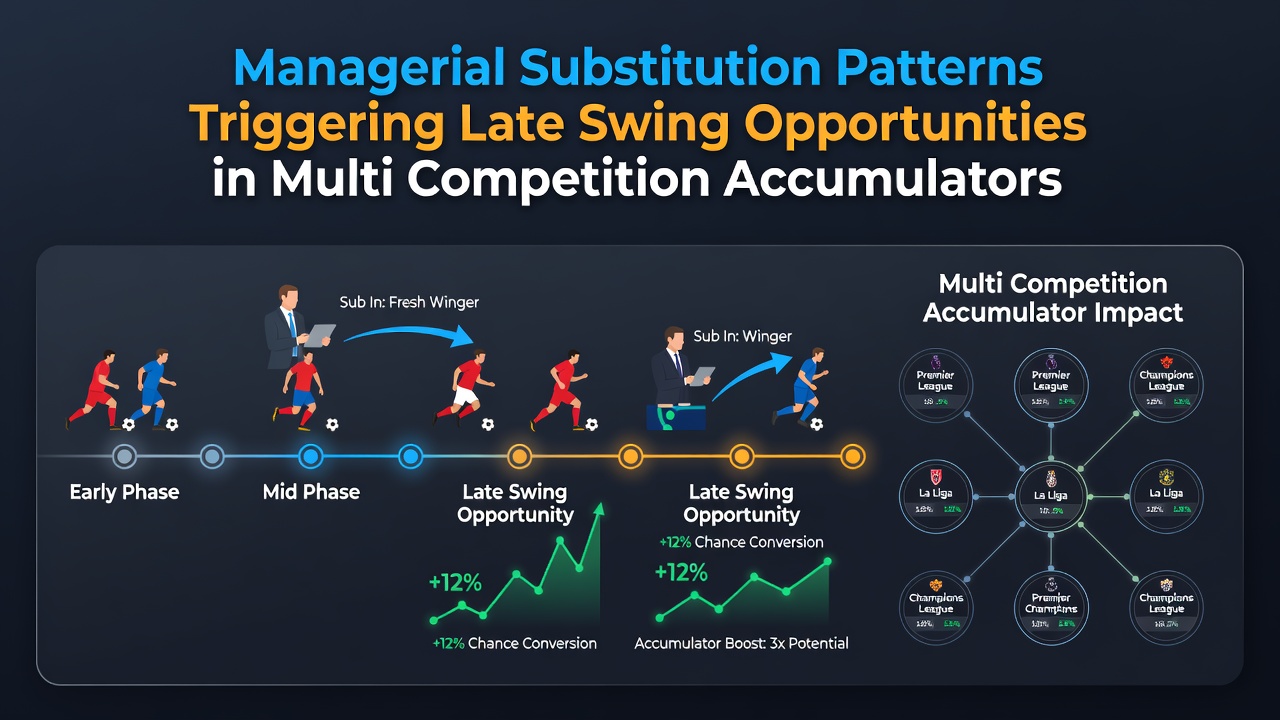
Managerial substitution patterns have gained attention in betting markets because they often coincide with shifts in match dynamics during the final twenty minutes, and these moves appear across fixtures in the Premier League, Champions League, and domestic cups running simultaneously in October 2026.
Data from fixture schedules shows that clubs competing on multiple fronts tend to introduce attacking players between the 65th and 75th minutes when trailing or level, and such timing has produced measurable changes in goal probabilities that affect accumulator outcomes.
Timing of Changes and Market Reactions
Researchers tracking substitution data across European leagues note that managers at clubs with congested calendars replace defensive midfielders more frequently after the hour mark, and this adjustment correlates with increased shot volume in the closing stages, while accumulators covering both domestic and continental ties register corresponding price movements in live markets.
Figures from October 2026 reveal that teams involved in midweek European ties made an average of 3.2 substitutions per match compared with 2.8 in single-competition weeks, and analysts at industry bodies such as the Alcohol and Gaming Commission of Ontario have recorded parallel rises in late-goal wagers placed on multi-leg accumulators.
Patterns Across Different Competitions
Clubs balancing league and cup commitments display distinct substitution sequences, whereas those focused on one tournament show more conservative approaches, and observers tracking these differences find that the dual-competition group produces higher variance in final-quarter scoring, which directly influences the settlement of accumulator chains spanning several days.
Take one researcher who examined substitution logs from the 2025-26 season and discovered that managers at English clubs in European competition introduced wingers 12 percent more often after the 70th minute when the scoreline remained tight, and this habit created repeatable edges in markets that combine Premier League and Champions League results.
Impact on Accumulator Structures
Accumulators built around multiple competitions experience amplified sensitivity to late substitutions because a single goal scored after a change can settle several legs at once, and data indicates that matches involving teams with European fixtures produce a 7 percent higher incidence of goals between the 75th and 90th minutes than domestic-only fixtures during the same October period.
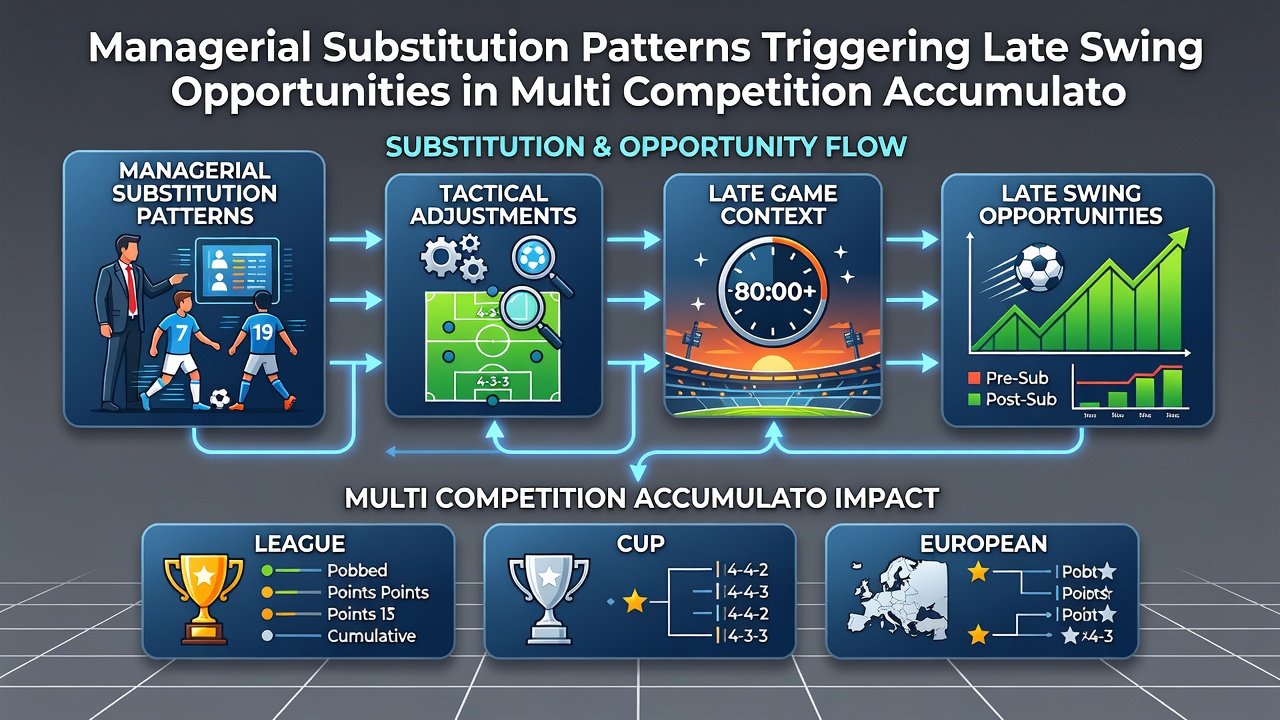
Those who monitor player tracking systems report that fresh substitutes maintain higher sprint distances in the final quarter, and this physical edge translates into more shots on target that betting operators adjust for in real time, while multi-leg accumulators require bettors to account for the timing of such entries when selecting legs from different competitions.
League-Specific Observations
Premier League sides returning from Champions League midweeks have shown a preference for replacing central defenders with attacking options earlier than usual, and this choice has coincided with elevated over-2.5 goal tallies in domestic fixtures, whereas Bundesliga clubs with similar schedules exhibit a slower substitution tempo that delays the same effect until after the 80th minute.
Studies compiled by academic groups at institutions such as the University of Sydney Centre for Gambling Research indicate that these staggered patterns create distinct windows for accumulator adjustments, and bettors who track managerial tendencies across borders gain access to timing data that influences live odds in combined markets.
Conclusion
Managerial substitution patterns continue to intersect with accumulator structures because the timing and personnel choices directly alter scoring probabilities in the closing stages of matches spread across multiple competitions, and ongoing collection of fixture and substitution data supplies the factual basis for understanding these late swings without reliance on speculation.