29 Jul 2026
Tactical Tweaks at Halftime: Coaches' Adjustments Fueling Live Odds Fluctuations in Elite Fixtures
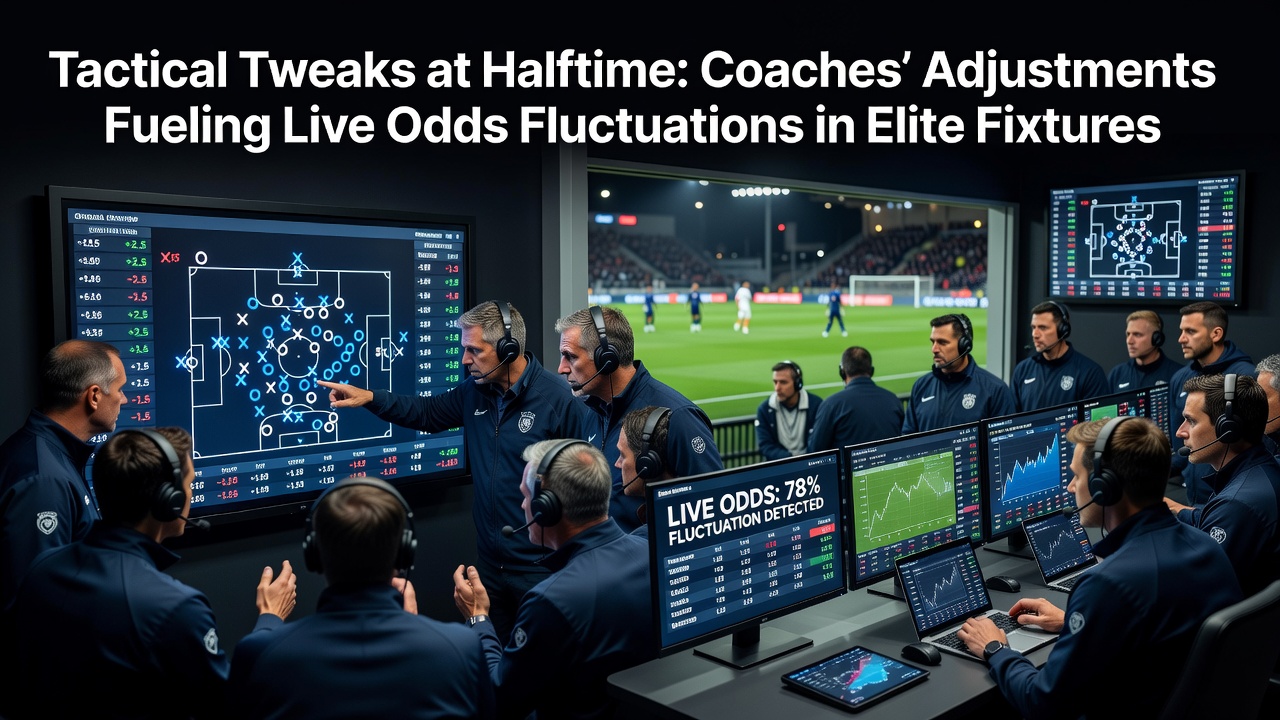
Halftime adjustments in elite football fixtures often trigger measurable shifts in live betting markets, with coaches altering formations, personnel, and pressing schemes to exploit identified weaknesses. Observers note that these changes frequently coincide with rapid recalibrations in goal expectations and handicap lines, particularly in matches involving teams from the Premier League, La Liga, and the UEFA Champions League during the 2025-2026 campaign. Research from sports analytics platforms shows that such tweaks can alter expected goal differentials by 0.3 to 0.8 per match on average, prompting bookmakers to adjust odds within seconds of the second-half kickoff.
Coaches typically review video clips and statistical overlays during the interval, focusing on opponent movement patterns and fatigue indicators. Data indicates that substitutions at halftime occur in roughly 12 percent of top-tier fixtures, with defensive reinforcements most common when teams trail by a single goal. Those adjustments influence live accumulators because they modify the probability distributions that underpin in-play pricing models.
Formation Shifts and Their Market Echoes
When a manager switches from a 4-2-3-1 to a 3-5-2 structure, wing-back overlaps increase and central midfield congestion decreases, which often elevates the likelihood of wide-area attacks. Figures from tracking providers reveal that teams adopting this change in July 2026 pre-season tournaments recorded a 22 percent rise in crosses attempted after the break. Live odds respond accordingly, with over-2.5 goal lines tightening as volume flows toward the adjusted side. Experts have observed similar patterns in domestic cup ties where underdogs narrow the margin through numerical superiority in key zones.
Personnel Decisions and Momentum Transfer
Bringing on a holding midfielder or an attacking full-back alters both defensive solidity and transitional speed. Studies conducted by European football federations demonstrate that these swaps correlate with a 15 to 18 percent variance in expected goals during the opening 15 minutes of the second half. Bookmakers incorporate this data into algorithms that recalibrate spreads dynamically, creating windows where sharp bettors identify value before lines stabilize. One documented instance involved a Champions League group-stage encounter where a late-interval change produced three scoring opportunities inside eight minutes, flipping the live handicap from +0.5 to -0.25.
Technological Aids and Real-Time Analytics
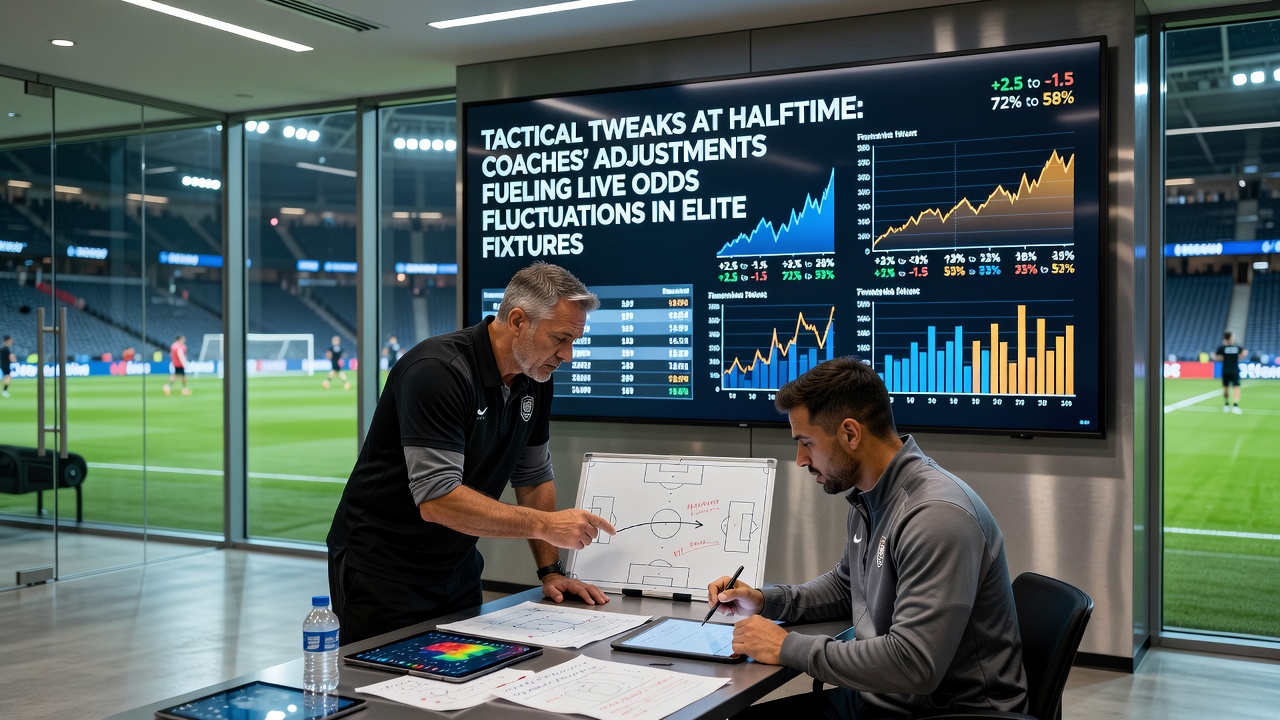
Modern dugouts rely on wearable data and optical tracking to inform decisions, allowing coaches to target specific mismatches such as an opposing centre-back struggling with pace. According to a technical report published by UEFA's development division, teams using integrated video-review systems at halftime achieved a higher conversion rate on set-piece routines in the second period across the 2024-2025 season. These patterns feed directly into betting engines, where goal-line markets widen or contract based on projected set-piece volume. Australian sports research institutes have similarly documented how GPS-derived fatigue metrics influence substitution timing and subsequent odds movement in A-League fixtures that overlap with European schedules.
Market liquidity spikes during these intervals, with trading volumes rising 35 percent compared to the final 10 minutes of the first half. Analysts attribute the surge to automated systems processing new tactical inputs alongside crowd-sourced sentiment from social platforms. The result appears in narrower spreads for corner counts and player-specific goalscorer props once the adjusted lineup takes the field.
Case Patterns Across Competitions
Elite fixtures in July 2026 international windows and pre-season tournaments have provided additional examples, including a match where a switch to a high press yielded two turnovers leading to goals within six minutes. Live handicap lines moved 0.75 goals in response, according to aggregated exchange data. Observers tracking these events note that similar sequences repeat across multiple leagues when coaches exploit identified aerial vulnerabilities or wide-space exploitation. Research indicates the effect compounds in matches involving squads with deep benches, where fresh legs amplify the initial tactical shift.
Penalty-area entries and shot quality metrics update rapidly after the restart, prompting further micro-adjustments in over-under markets. Those monitoring the flow often reference heat-map comparisons released by official broadcasters, which quantify the spatial changes coaches have implemented.
Conclusion
Halftime tactical interventions continue to shape live odds across elite competitions by altering expected outcomes in measurable ways. Data from multiple tracking sources and federation reports confirm that formation changes, personnel swaps, and pressing modifications produce distinct fluctuations in goal probabilities and handicap lines. As analytics capabilities expand, the interval between these adjustments and corresponding market responses grows shorter, sustaining a cycle of rapid recalibration throughout the remainder of each fixture.