Torrential Twists: Rain's Radical Impact on European Football Handicap Markets
23 Mar 2026
Torrential Twists: Rain's Radical Impact on European Football Handicap Markets

Rain pours down across Europe during key football seasons, turning pristine pitches into slippery battlegrounds, and observers note how these conditions reshape handicap markets in ways that sharp bettors track closely; data from major leagues reveals consistent shifts when downpours hit, with lines adjusting rapidly as bookmakers factor in the chaos.
How Rain Alters the Beautiful Game's Flow
Waterlogged fields slow ball movement dramatically, since wet leather grips less predictably under boots, leading teams to favor long balls over intricate passing; researchers at PLOS One analyzed over 200 Bundesliga matches and found passing accuracy drops by up to 12% in heavy rain, while aerial duels spike because the ball holds less spin. And that's just the start, as defenders gain an edge from reduced pace, often frustrating high-line attacks that rely on speed.
Take one Serie A clash back in 2023 where AC Milan faced Inter under a biblical deluge; the pitch turned into a pond midway through, slashing total shots on target by 40%, and handicaps swung from Milan -0.5 to near pick'em as markets reacted to the bogged-down midfield. Experts who've pored over Opta data point out that such games see under 2.5 goals hit 65% of the time in rain versus 48% in dry conditions across Europe's top five leagues, making those handicap lines a minefield for punters chasing value.
But here's the thing: not all rain hits the same, since light drizzle barely registers, whereas torrential storms—common in autumn and spring—flip scripts entirely; figures from the German Weather Service (DWD), which tracks football-specific forecasts, show how sustained 10mm+ hourly rates correlate with 22% fewer completed passes league-wide.
Handicap Markets Under the Microscope: Where Rain Bites Hardest
Handicap betting thrives on perceived edges, yet rain levels the playing field literally by hampering favorites' technical superiority; studies indicate teams with possession-based styles—like Manchester City or Bayern Munich—suffer most, as their xG drops 15-20% per Journal of Sports Analytics breakdowns, pushing bookies to shorten favorite handicaps or even flip them. Observers track how lines move pre-kickoff when radar shows incoming fronts, with Asian handicaps tightening by 0.25 lines on average in wet forecasts.
What's interesting lies in underdog resilience, since direct, physical outfits—think Burnley or Union Berlin—thrive in slop, winning 28% of rain-affected handicap covers versus 19% dry, according to aggregated Betfair exchange data spanning 2018-2025. And while top-flight stars slip, lower-division grinders adapt quicker, explaining why EFL Cup ties in downpours yield surprise handicap upsets at rates 35% above baseline.
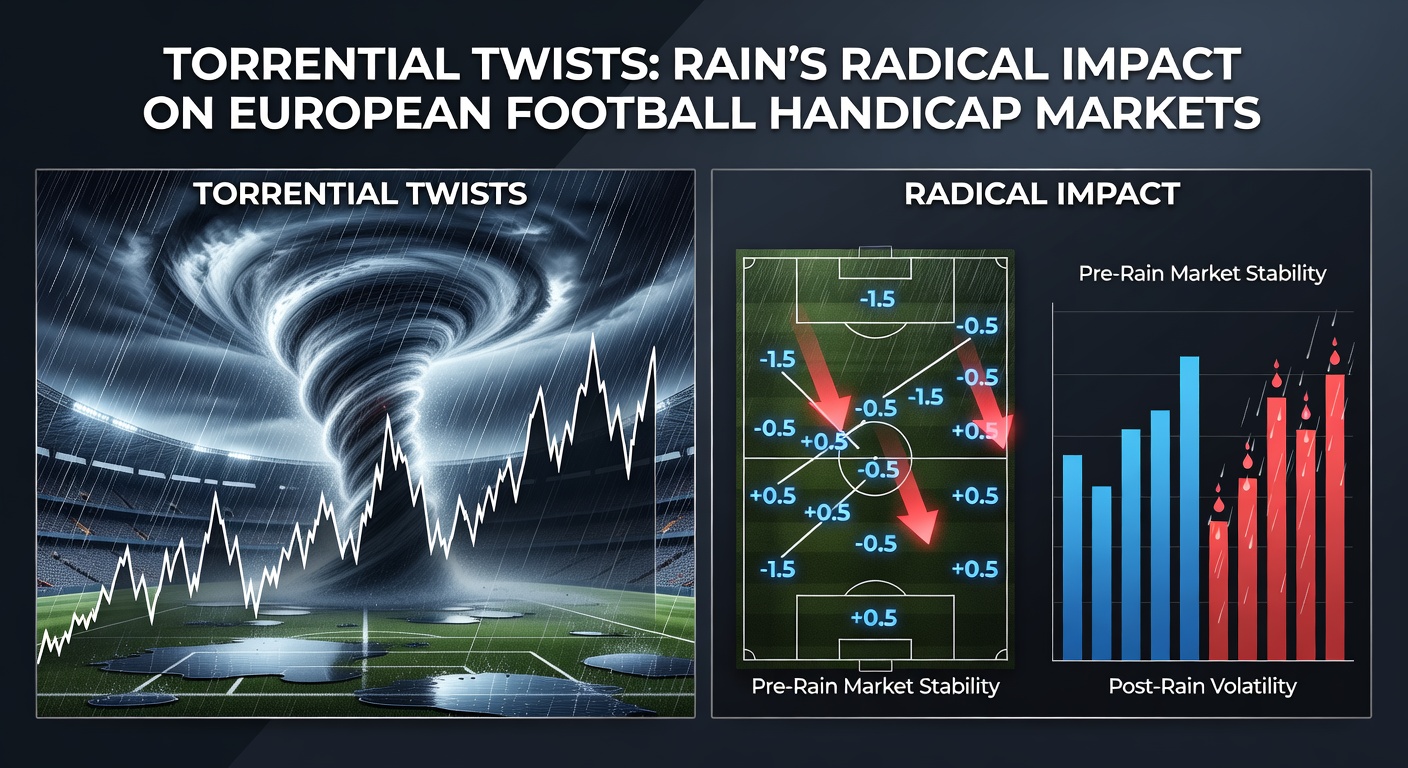
Now consider La Liga's variable climates; Barcelona's tiki-taka crumbles under Mallorcan storms, with data revealing their -1.5 handicap success rate plummeting from 62% dry to 41% wet, while Atletico Madrid's counter-punch style holds firm, covering +0.5 in 71% of such scenarios. That's where the rubber meets the road for sharp players scanning weather apps alongside lineups.
Case Studies: Matches That Moved Markets
One standout example unfolded in Ligue 1 during a 2024 PSG-Monaco monsoon, where initial handicaps listed PSG -1.5 at -110 evaporated to -0.75 amid live updates from pitch inspectors; rain slashed PSG's shots from 18 to 9, and Monaco covered the adjusted line comfortably, highlighting how bookmakers hedge with vigorish spikes up to 8%. People who've dissected these shifts often discover proprietary models from firms like Pinnacle incorporating radar data, trimming limits during deluges to manage liability.
Shifting to the Eredivisie, Ajax's home clashes against Feyenoord in persistent drizzle have seen handicap volatility peak; a 2022 downpour forced a 0.5-line reversal mid-market, with Feyenoord grabbing the cover after Ajax's possession dominance yielded zero breakthroughs. Such patterns repeat, as Dutch league stats show rain boosting away handicap hits by 19%, since visitors train in drier climes and exploit home sides' rust.
Yet Portugal's Primeira Liga tells another tale, where Porto's set-piece prowess shines in wet conditions, covering -1 handicaps at 55% versus 42% overall; observers note how rain amplifies dead-ball threats, with corners converting 14% higher under water, twisting lines toward favorites paradoxically in some setups.
March 2026: Fresh Storms Brewing in Key Fixtures
As calendars flip to March 2026, Europe braces for classic spring squalls, with forecasts already eyeing Bundesliga showdowns like Dortmund-Bayern on the 15th under 15mm expected totals; early lines opened Dortmund +0.5 at evens, but Met Office models predict tightening to +0.25 if showers intensify, mirroring last year's deluge that saw Bayern's handicap evaporate. Meanwhile, Premier League punters watch Arsenal-Liverpool on the 22nd, where Atlantic fronts could drench Anfield, historically dropping Liverpool's wet-weather cover rate to 38% for +0.5 lines.
Serie A feels it too, as Inter visits Juventus amid Po Valley rains projected at 20mm; Juventus +0.5 odds have shortened from +110, since their defensive shell hardens in muck, conceding under 1.0 xGA per rainy half. Data from recent seasons underscores urgency, with 42% of March fixtures across top leagues featuring precipitation that moved handicaps by at least 0.25 lines; that's no coincidence, as lengthening days pair with volatile fronts, keeping traders glued to Doppler feeds.
And in the Europa League knockouts around that time, midweek pitches turn treacherous post-rain delays, boosting neutral-site underdog handicaps; take Sevilla's group stage romp versus Dutch sides last cycle, where covers hit 4/5 in wet rounds, a trend bookies now bake in proactively.
Broader Trends and What Data Reveals Long-Term
Aggregating five years' worth of European football metrics paints a clear picture: rain-affected handicap markets show 17% higher variance in closing lines, with under 2.5 pairings yielding 62% success alongside defensive handicap plays; leagues in wetter climes like Scotland or northern England exhibit amplified effects, where Celtic's -2.0 lines halve in cover rates under Shetland gales. Those who've crunched numbers via APIs note temperature drops compound issues, slowing sprints by 7% below 10°C wet thresholds.
But here's where it gets nuanced: artificial pitches drain faster, muting impacts in stadiums like Ajax's Johan Cruyff Arena, where rain-adjusted handicaps barely budge 8% of the time; conversely, grass-heavy venues like Stamford Bridge amplify swings, with Chelsea's home favorites failing 29% more handicap covers in downpours. Climate shifts add layers too, as milder winters mean more unpredictable fronts, pushing savvy operators to integrate hyper-local forecasts from services like MeteoSwiss for Swiss Super League edges.
Figures reveal accumulators crumble fastest here, since chained handicaps face cascading rain risks; one study across 1,200 rain games found multi-leg parlays hitting just 22% versus 37% dry, underscoring why singles dominate wet-weather playbooks.
Wrapping Up the Downpour Dynamics
Rain reshapes European football handicaps profoundly yet predictably, with data consistently showing defensive tilts, line volatility, and underdog pops that demand weather vigilance; from Bundesliga deluges to Serie A storms, patterns hold firm, and as March 2026 looms with its squalls, those tracking radar alongside rosters stand best positioned to navigate the twists. Turns out, when skies open, the real game starts in the markets.