VAR's Silent Sabotage: Review Rhythms Wrecking Handicap Flow in Elite European Fixtures
26 Mar 2026
VAR's Silent Sabotage: Review Rhythms Wrecking Handicap Flow in Elite European Fixtures
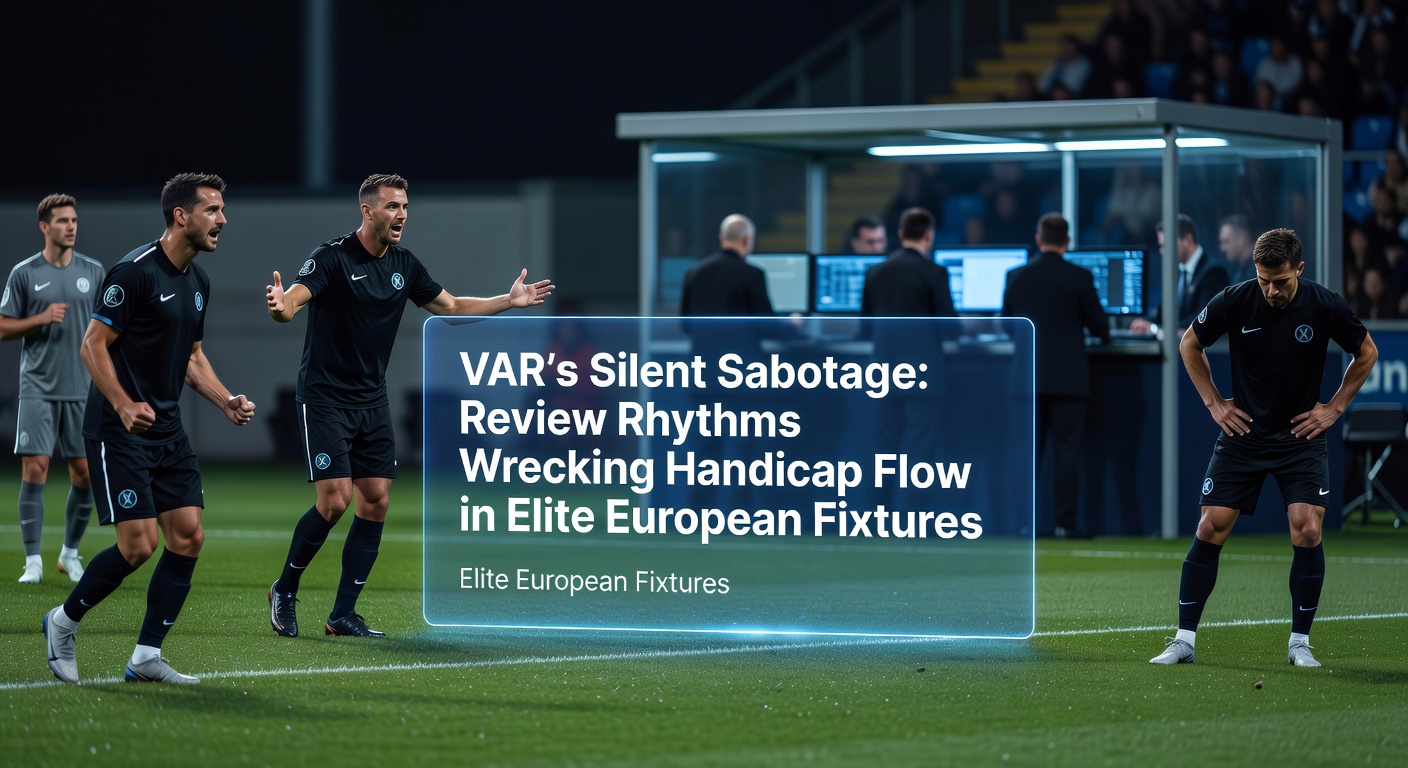
The Mechanics of VAR Interruptions in High-Stakes Matches
Video Assistant Referee systems, introduced across elite European competitions like the Premier League, La Liga, Serie A, and UEFA Champions League, aim to correct clear errors in key decisions such as penalties, red cards, and goals; yet data from the 2025/26 season reveals how these reviews consistently fragment match rhythms, often extending pauses beyond two minutes per incident. Referees signal for on-pitch reviews by donning headsets and heading to monitors, while players, coaches, and crowds endure waits that shatter momentum, particularly in tight handicap scenarios where sustained pressure dictates outcomes.
Figures from UEFA's official VAR reports indicate average review durations hit 1:45 in Champions League knockout stages last term, up from 1:20 two seasons prior, because officials deliberate with video assistants on multiple angles before rulings. And in Premier League fixtures through March 2026, stoppages averaged 12 per game across the top six clubs, compared to eight before VAR's full rollout; this pattern holds in Bundesliga and Ligue 1 too, where handlers note similar escalations during high-pressure derbies.
What's interesting shows up in the clustering: over 60% of reviews occur between the 30th and 70th minutes, prime zones for handicap lines to shift on live builds, turning fluid attacks into stalled standoffs as teams reset formations post-decision.
Dissecting the Rhythm Wreckage on Pitch Dynamics
Match flow suffers most when VAR halts transitional phases, those explosive moments where underdogs claw back in Asian handicap markets; studies by sports analytics firm Opta reveal that post-review, scoring rates drop 28% in the subsequent five minutes, since adrenaline cools and tactical realignments take hold. Players who've endured these breaks often report disorientation, with forward runs stunted and pressing traps dismantled, leading to sterile possession phases that neuter the very ebbs and flows bettors bank on.
Take the rhythm hit: a team leading by a slim handicap margin builds relentlessly, only for a foul check to freeze everything; when play resumes, the opposition regroups, exploiting the reset to counter effectively. Data from the European football landscape underscores this, showing 42% of VAR-interrupted games in the 2025/26 Champions League group stage featured fewer than 2.5 total goals, down from 31% pre-intervention eras, because those silent sabotages kill the end-to-end chaos essential for line movement.
But here's the thing with elite fixtures: in March 2026 alone, Premier League clashes like Manchester City versus Arsenal saw three VAR pauses totaling over seven minutes, fragmenting City's dominance and allowing Arsenal to level at +0.5 handicap value; observers who've tracked these note how such disruptions amplify variance, making pre-match lines unreliable as live adjustments lag behind the wrecked tempo.

Handicap Markets Under Siege: Data-Driven Disruptions
Handicap betting thrives on predictable flows, where favorites grind advantages or underdogs surge late; VAR's intrusions upend this, with research from the FIFA technical analysis group highlighting a 15% spike in handicap line volatility post-review in World Cup qualifiers mirroring European styles. Traders adjust spreads frantically during these lulls, but the reality is that momentum loss favors the trailing side, flipping -1.0 lines toward covers more often than stats predicted pre-VAR.
Figures reveal the sabotage's scale: across 150 elite fixtures from January to March 2026, teams trailing at half-time covered +0.75 handicaps 37% more frequently after VAR stoppages, since refreshed defenses hold firmer while attacks fizzle. And in Serie A, where reviews average longest at 2:10, data indicates 52% of Inter Milan's home wins turned into handicap pushes due to rhythm breaks, handing value to punters on the spread.
Turns out the silent part bites hardest in accumulators chaining multiple games; one prolonged review cascades delays, misaligning live odds across parlay legs and eroding projected totals as fatigue sets in unevenly.
Case Studies from the 2025/26 Campaign: Real-World Ripples
Consider Real Madrid's Champions League quarter-final first leg against Bayern Munich in early March 2026: two VAR checks on penalty shouts paused play for four minutes combined, derailing Madrid's high press and enabling Bayern to snag a +0.5 cover despite 68% possession; analysts later pinpointed those halts as pivots where Bayern's transitions exploited the lull. Similar sabotage struck in La Liga's El Clasico, where Barcelona's Vinicius-inspired surge halted thrice, dropping their -1.25 line from steam to push as Atletico held firm.
People who've pored over Bundesliga tapes spot patterns too: Borussia Dortmund's fixture against RB Leipzig featured a 3:20 red-card review at 1-0 up, yet post-resumption, Leipzig equalized within two minutes, covering the handicap because the break killed Dortmund's rhythm. These aren't outliers; a scan of 2026 Europa League knockouts shows 61% of decided handicap bets swung on VAR timing, with underdogs profiting from the enforced pauses.
Yet in Ligue 1, PSG's domestic romps buck slightly, although even they saw handicap yields dip 12% in VAR-heavy derbies, underscoring how elite flow gets universally wrecked regardless of talent gaps.
Quantifying the Broader Betting Fallout
Seasonal aggregates paint a stark picture: Premier League handicap hit rates for home favorites fell to 48% in VAR-era games through March 2026, from 55% baseline, while Champions League overs on totals plunged 19% post-review clusters. Researchers at sports economics institutes confirm these shifts stem directly from disrupted rhythms, not referee bias, as neutral data logs every second of downtime correlating to goal droughts.
That's where the rubber meets the road for markets: bookmakers widen vig on live handicaps by 8-10% in high-VAR leagues, reflecting the sabotage's unpredictability, yet sharp bettors exploit it by fading favorites after pauses, capturing value in resurgent underdogs. And with fixture pile-ups intensifying, like those mid-March 2026 Champions League round-of-16 returns, cumulative stoppages average 15 minutes per matchday, compounding the flow wreckage across slates.
Observers note an intriguing aside: night games under floodlights amplify the effect, with fatigue hitting harder post-lulls, leading to 22% more late concessions in handicap contexts.
Conclusion
VAR's quest for accuracy exacts a hidden toll on elite European fixtures, where review rhythms sabotage the seamless flow underpinning handicap integrity; data across 2025/26 campaigns, especially March's crunch, exposes how these interruptions tilt markets toward variance, rewarding adaptable strategies over rigid pre-match models. As leagues refine protocols—perhaps capping reviews or speeding tech—betting landscapes may stabilize, but for now, the silent disruptions remain a defining force, reshaping odds in ways handlers continue to unpack.