16 May 2026
Whistleblower Wisdom: Referee Rotation Patterns Driving Shifts in Booking Markets for Premier League Weekends
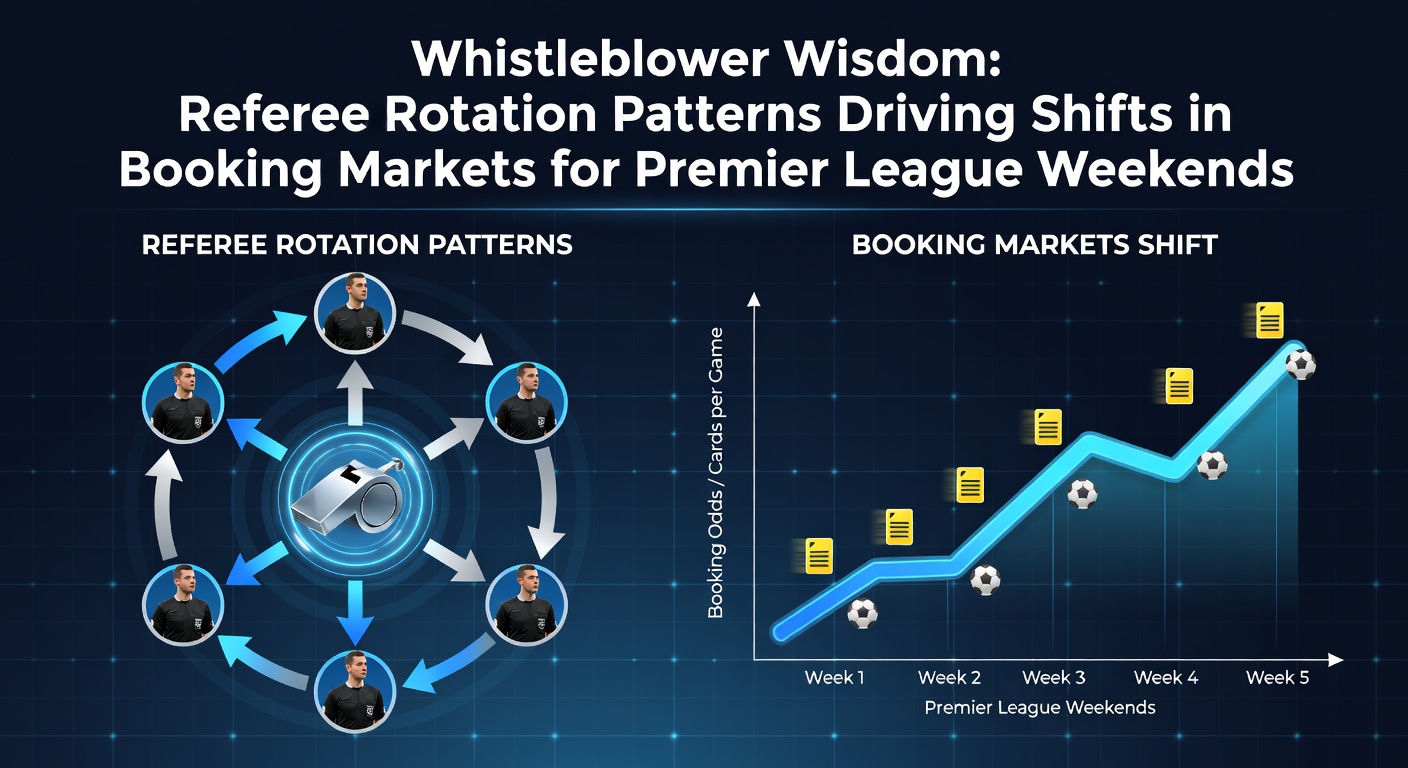
Referee assignments in the Premier League follow a structured rotation managed by the Professional Game Match Officials Limited, and those patterns create measurable effects on booking markets each weekend. Data from the 2025-26 campaign shows that officials receive matches based on performance reviews, geographic considerations, and rest periods, which in turn influences the average number of cards issued per game. Bookmakers adjust over-under lines for cards as soon as rotation schedules leak through official channels or media reports.
How Rotation Cycles Shape Card Expectations
Premier League referees typically handle one match per week during busy periods, yet the governing body spreads assignments across a pool of 20 full-time officials plus video assistants. Analysts track historical card rates for each referee because some issue yellow cards at rates above 4.5 per match while others stay closer to 3.2. When a stricter official draws a high-tempo fixture between two physical sides, betting exchanges see immediate volume on the over-4.5 cards line, and the line itself often moves half a card within minutes of confirmation.
Rotation also incorporates rest protocols after international breaks or midweek European ties. Officials returning from travel receive lower-profile domestic games in the first weekend back, and those matches produce fewer cards on average according to figures compiled across the past three seasons. Market makers therefore price under-3.5 cards lines more generously for those specific fixtures, creating short-term value opportunities before public money corrects the odds.
Weekend Scheduling and Market Reactions
Friday and Monday night games often feature referees with fewer prior warnings that season, while Saturday afternoon slots attract the most experienced officials. Data released by the league in early May 2026 indicated that referees with at least 12 prior appointments averaged 0.8 fewer cards per match than those with lighter schedules. Punters who monitor assignment announcements on Thursday afternoons have used this pattern to place early wagers on under-card totals in games refereed by veterans.
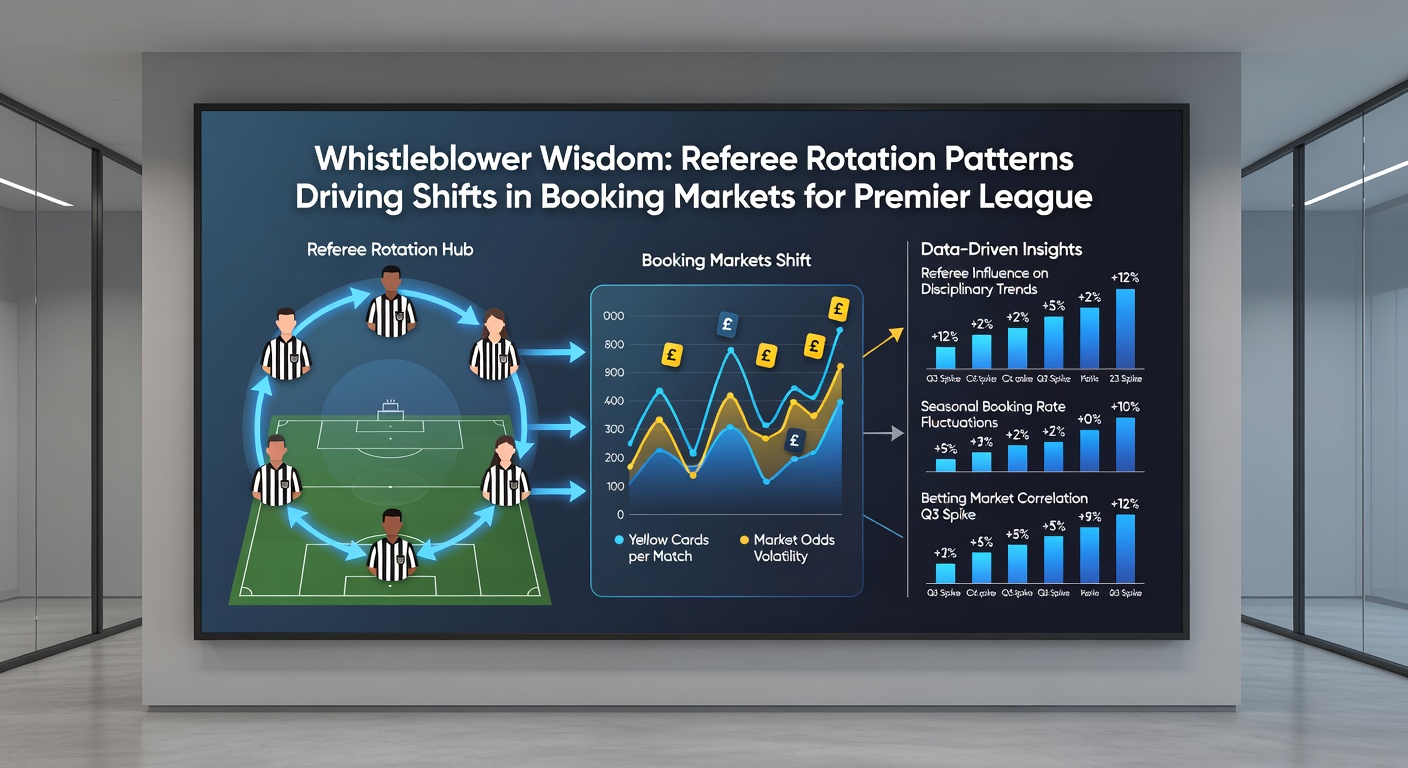
Live betting markets react even faster once play begins. When a referee who normally maintains high card counts starts a match with several early fouls, in-play over lines tighten quickly. Conversely, officials known for lenient approaches trigger sharp money on under lines after the first 20 minutes without a booking. These shifts occur because traders maintain real-time databases that cross-reference current match statistics against each referee’s seasonal profile.
External Data Sources and Industry Tracking
Independent researchers at institutions such as the FIFA Technical Study Group have published comparative studies on referee decision patterns across European leagues, revealing that domestic rotation policies correlate with reduced variance in card counts over a full season. Similar findings appear in reports from the Australian Sports Commission, which examined how rest and travel influence decision-making consistency in professional football codes. Both sources note that transparent rotation reduces perceptions of bias while still allowing statistical edges for those who model the data carefully.
Practical Effects on Accumulator Construction
Weekend accumulator builders now incorporate referee identifiers alongside team form and head-to-head records. A typical card-focused accumulator might combine three games featuring officials with above-average card rates and two games with below-average rates to balance risk. Bookmakers have responded by tightening maximum stakes on such combinations and by offering dedicated referee-based specials that list expected card ranges for each confirmed appointment.
Volume data from betting exchanges during April and May 2026 shows elevated activity on card markets whenever rotation news breaks earlier than usual. Traders attribute the increase to syndicates that maintain automated alerts linked to official referee lists published each Thursday. The resulting liquidity keeps spreads tight yet still allows informed participants to find edges before lines fully adjust.
Conclusion
Referee rotation patterns provide a consistent, data-driven signal that influences booking markets across Premier League weekends. Historical card rates, rest protocols, and fixture timing combine to shift odds before kickoff and during play, while external research from organizations such as FIFA and the Australian Sports Commission confirms the statistical foundations of these movements. Market participants who integrate assignment data with traditional team metrics continue to find measurable advantages in both pre-match and in-play card betting throughout the 2025-26 season.